


Are Organic Vegetable Seeds Worth It for Beginners?
07:00 AMLast Updated: November 19, 2026
Quick Summary
The best organic vegetable seeds for beginners come from organically grown parent plants, carry a germination-tested label, and match your frost dates. Buy tested organic vegetable seeds and your germination odds improve immediately, since sprouting is mostly a seed-quality question rather than a gardener-skill question.
- Start with easy direct-sow crops like lettuce, radishes, peas, beans, beets, and summer squash.
- Compare days to maturity against the gap between your last spring and first fall frost.
- Organic seed is also non-GMO, but non-GMO seed is not necessarily organic.
- A 75% germination rate is not a bad packet; it just needs denser sowing.
- Avoid planting too early, burying seed too deep, overwatering, and skipping thinning.
Table of Contents
- Why Organic Vegetable Seeds Are the Smartest First Buy
- Easy Vegetables to Grow From Seed for a First Garden
- Heirloom Vegetable Seeds: What You Gain and What to Expect
- Choosing an Organic Seed Starting Mix That Won't Wreck Germination
- How Vegetable Seed Companies Differ on Organic, Non-GMO, and Germination Testing
- Seed Kit Comparison: Which ARK Kit Fits Your Space and Budget
- Common Beginner Mistakes That Kill Germination Rates
- Pick Your First Kit and Plant This Weekend
- Frequently Asked Questions
Why Organic Vegetable Seeds Are the Smartest First Buy
The best organic vegetable seeds for beginners are the ones that come from organically grown parent plants, carry a germination-tested label, and match your frost dates. Those three factors decide whether your first garden rewards you or frustrates you.
Here at ARK Seed Kits, we hear the same question from new gardeners: are organic seeds actually worth the extra cost over the bargain bin at the garden center?
A common mistake is buying a cheap packet and blaming yourself when half of it never sprouts. Germination is mostly a seed-quality question, not a gardener-skill question. Buy tested seed and your odds change immediately.
Easy Vegetables to Grow From Seed for a First Garden
The easiest vegetables to grow from seed are lettuce, radishes, peas, beans, beets, and summer squash. All six germinate reliably, mature fast enough to reward you within weeks, and forgive imperfect watering.
| Crop | Soil temp to germinate | Days to maturity | Direct sow or transplant | Spacing | Common failure point |
|---|---|---|---|---|---|
| Radish | 45-85°F | 22-30 days | Direct sow only | 1 inch apart, ½ inch deep | Bolts and turns pithy in heat; sow in cool windows |
| Lettuce | 40-75°F | 45-60 days | Direct sow or transplant | 6-12 inches | Germination stalls above 80°F; shade or start indoors |
| Peas | 40-75°F | 55-70 days | Direct sow only | 2 inches apart, trellis | Rot in cold wet soil; wait for workable, not warm, ground |
| Bush beans | 60-85°F | 50-60 days | Direct sow only | 2-4 inches | Cold soil rots seed; plant after last frost |
| Beets | 45-85°F | 50-65 days | Direct sow only | 2-4 inches, thin to 3 | Each "seed" is a cluster; thin or roots stay small |
| Summer squash | 60-95°F | 45-55 days | Direct sow or transplant | 24-36 inches | Powdery mildew and squash bugs arrive fast; harvest young |
Days to maturity
Start with a short, honest list rather than a whole catalog. If you are choosing heirloom varieties for a first plot, our roundup of the best heirloom seeds for 2026 planting narrows the field to types that perform in small beds.
Direct-Sow Crops That Skip the Transplant Fuss
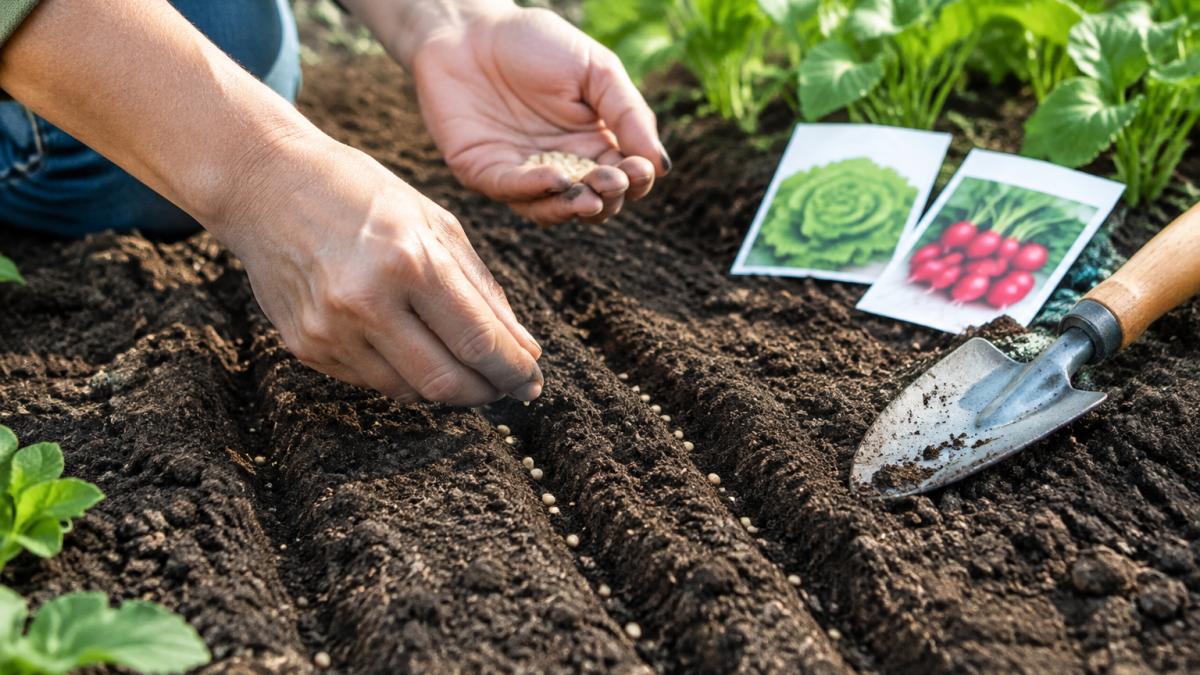
Direct sowing means planting seed straight into the garden bed instead of starting it indoors. Radishes, beets, carrots, peas, beans, and squash all prefer it. Root crops in particular resent being moved, so skip the transplant trays entirely. The trade-off is timing: direct-sown crops depend on soil temperature, so a cheap soil thermometer is more useful to a beginner than a heat mat.
- Radishes: fast, forgiving, ready in weeks; sow a short row every two weeks for a steady supply
- Sugar snap peas: plant as soon as soil can be worked, trellis later; inoculate seed if your soil is new
- Bush beans: warm soil, no fuss; a second sowing in midsummer extends harvest to frost
- Beets: thin them and eat the greens; each seed ball holds two to four plants
- Lettuce and scallions: cut-and-come-again harvests; lettuce germinates poorly in heat, so start it early or in shade
- Summer squash: direct sow after frost; pick every day or two to keep fruit coming
Watch out: direct sowing into cold, wet soil can keep a first row from appearing, wait until the soil temperature in the table is met, not until the calendar says spring.
Match Varieties to Your Frost Dates and Growing Season
Every seed packet lists days to maturity. Compare that number to the gap between your last spring frost and first fall frost. If a tomato needs a long season and yours is short, choose a faster variety or start it indoors.
A simple planning method: find your average last spring frost and first fall frost, count the days between them, then subtract about two weeks of harvest cushion. That number is your usable growing season. Choose varieties whose days to maturity fit inside it.
Heat matters as much as frost. Lettuce and spinach bolt when summer temperatures climb, so plan them for spring and fall rather than midsummer. Squash and beans stall in cold soil but thrive in heat.
Heirloom Vegetable Seeds: What You Gain and What to Expect
Heirloom vegetable seeds are open-pollinated varieties passed down for generations, and they give you two things hybrids cannot: stable seed you can save and regrow, and flavor bred for eating rather than shipping. Open-pollinated simply means the plants produce offspring that resemble the parent.
The trade-off is honesty about expectations. Heirlooms are not always uniform, and some are less disease-resistant than modern hybrids. What you gain is biodiversity in your own soil and a food supply you control. If saving seed appeals to you, our beginner guide to saving heirloom seeds walks through isolation distances and drying.
Choosing an Organic Seed Starting Mix That Won't Wreck Germination
The right organic seed starting mix is light, sterile enough to prevent damping-off, and low in nutrients. Seeds carry their own food; heavy potting soil with fertilizer can burn young roots.
Look for a mix built on peat or coconut coir, perlite, and vermiculite. Avoid garden soil straight from the bed, which compacts in trays and harbors weed seed. Keep the mix evenly moist, not soaked, and bottom-water once seedlings emerge. A common mistake is burying seed too deep; follow the packet depth, usually two to three times the seed's width.
How Vegetable Seed Companies Differ on Organic, Non-GMO, and Germination Testing
The labels stack in one direction only: organic seed is also non-GMO, but non-GMO seed is not necessarily organic. That is why a packet can honestly say "non-GMO" and still fail an organic standard.
Germination percentage is the most useful number on the packet and the least understood.
Ask any supplier four questions: Is the seed certified organic, or just non-GMO? What is the tested germination rate for this lot? What is the lot or test date? How is the seed stored before it ships? A supplier who answers all four clearly is worth your money.
Watch out: a high germination rate on an old lot can still disappoint, germination percentage and seed vigor are different things, and seed stored warm loses vigor before it loses the ability to sprout at all.
Seed Kit Comparison: Which ARK Kit Fits Your Space and Budget
A seed kit solves the beginner's hardest problem: buying ten packets when you need a pinch of each. Our kits bundle organic, non-GMO heirloom varieties with separate, sealed labeling so unused seed keeps for seasons.
| Kit | Price | Seeds Included | Best For |
|---|---|---|---|
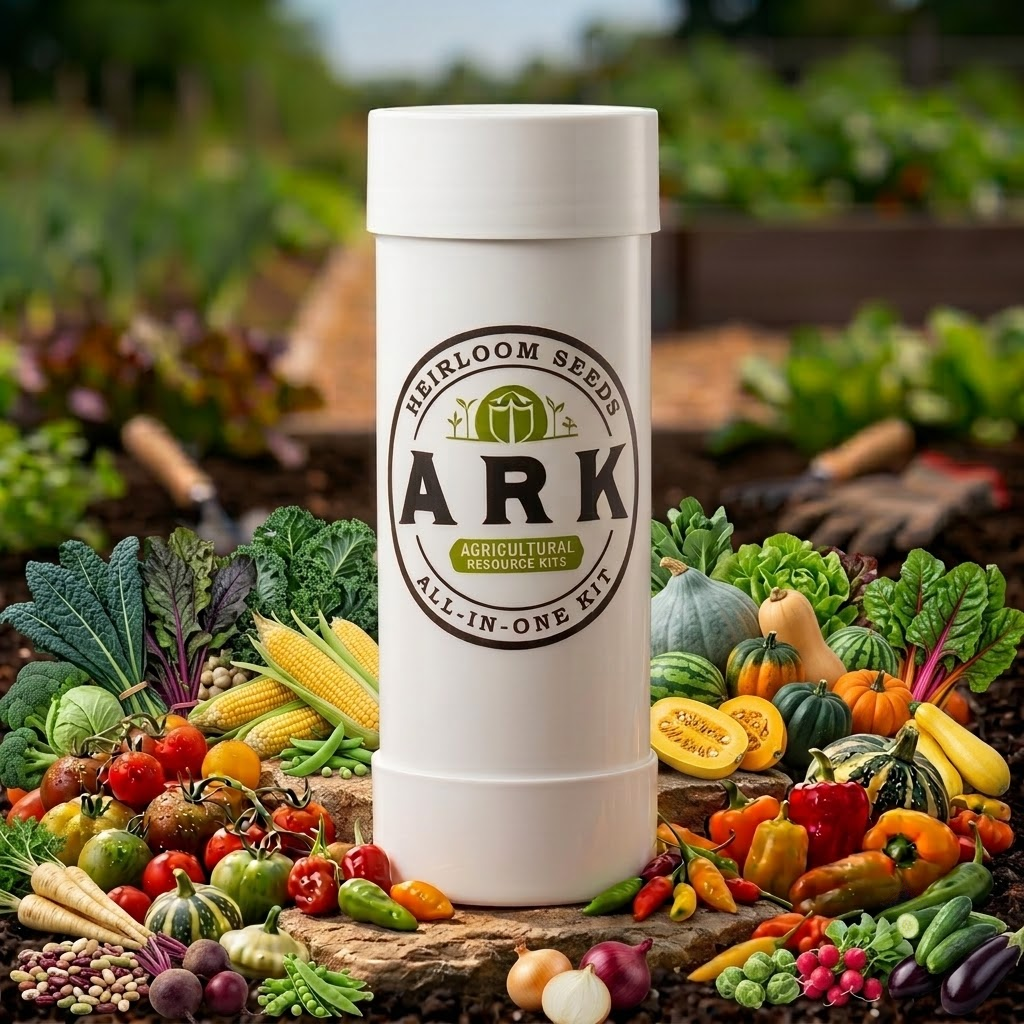
| All-In-One Seed Kit | $299.00 | 50,000 seeds, 50+ varieties, Seed Guide included | Full backyard garden and long-term storage |
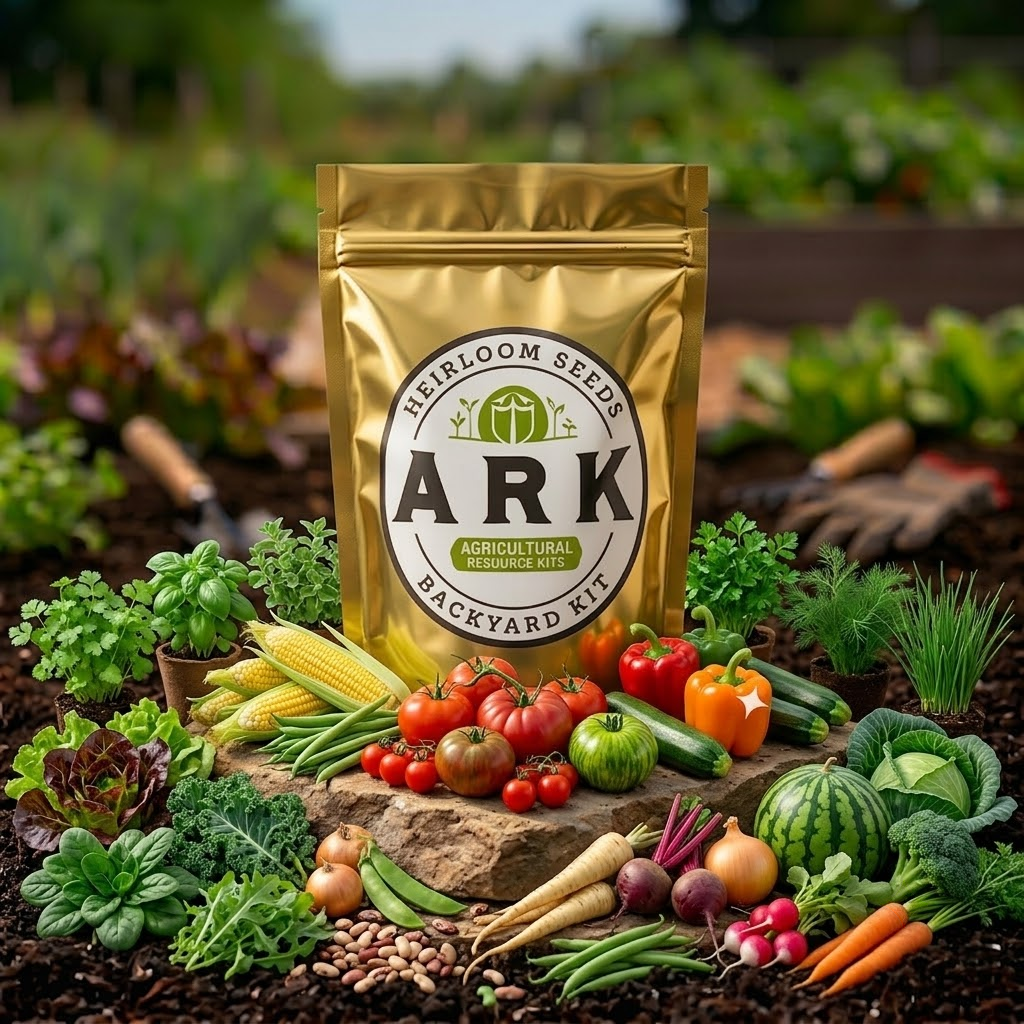
| Backyard Seed Kit | $109.00 | 20,000+ seeds, vegetables and herbs | A first family garden |
| Prepper Special | $1,196.00 | Five All-In-One kits | Building a multi-year reserve |
| Patio Seed Kit | $29.99 | 2,000+ seeds, compact varieties | Balconies and containers |
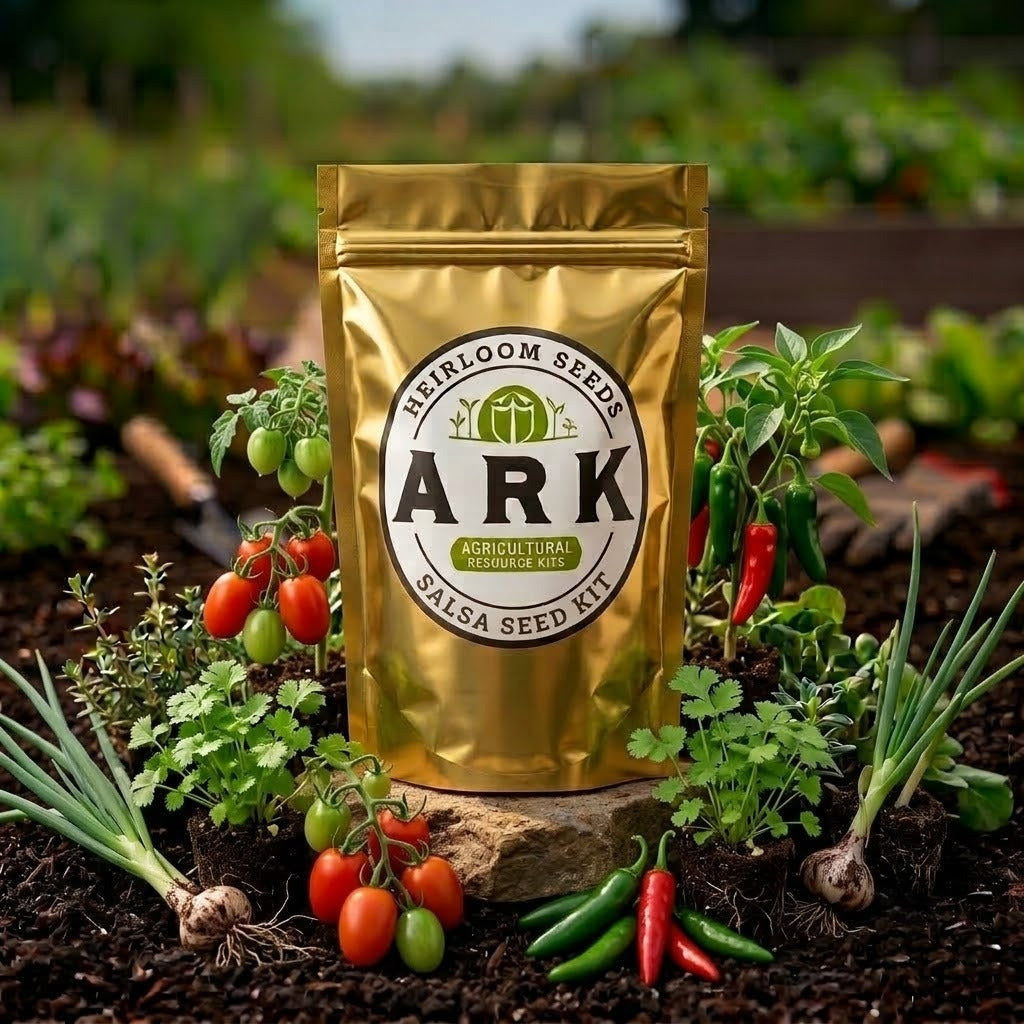
| Salsa Seed Kit | $29.99 | 500 seeds, salsa ingredients | Small-space kitchen gardeners |
| Herb Seed Kit | $29.99 | 6,000+ seeds, seven herbs | Windowsill and container growing |
The All-In-One Seed Kit is our top pick for a first full garden: it packs 50,000 seeds across vegetable and herb varieties, is packaged in PVC tubing for 15+ years of storage, and includes our Seed Guide. For a patio or balcony, the Patio Seed Kit is sized for containers. Best for: renters and small-space growers. Skip if: you have a full plot and want volume.
Watch out: storing opened packets in a warm garage shortens viability. Keep them cool and dry.
Common Beginner Mistakes That Kill Germination Rates
Most failed first gardens trace back to a handful of fixable errors, not bad seed.
- Planting too early. Cold soil stalls germination. Check soil temperature, not just the calendar.
- Burying seed too deep. Follow packet depth exactly.
- Overwatering. Soggy mix rots seed. Keep it moist, not wet.
- Skipping thinning. Crowded seedlings compete and none thrive.
- Ignoring light. Seedlings on a dim windowsill stretch and weaken.
- Storing seed badly. Heat and humidity cut viability fast.
Fix these six and your germination rates climb without any extra skill.
Pick Your First Kit and Plant This Weekend
The gap between wanting a garden and having one is usually a single afternoon of decisions. Choose your crops, confirm your frost dates, and buy tested organic seed from a supplier who answers certification questions plainly. That is the whole starting line.
At ARK Seed Kits, we built our collections for exactly this moment: 100% organic heirloom seed, non-GMO varieties, sealed for long-term storage, and paired with a Seed Guide that teaches you to grow, harvest, and save your own seed. Customers who want a deeper primer before committing can start with our organic heirloom seeds for beginners guide.
Frequently Asked Questions
What are the best organic vegetable seeds to buy for a first garden?
Start with crops that germinate fast and forgive mistakes: lettuce, radishes, snap peas, bush beans, beets, and summer squash. These sprout in roughly 5 to 14 days and mature in 50 to 65 days, so you see results before enthusiasm runs out. Buy from a supplier that states organic growing and germination testing on the packet. ARK Seed Kits ships organically grown, non-GMO heirloom seeds, and the Backyard Seed Kit at $109 covers over 20,000 seeds across beans, peas, lettuce, beets, carrots, and herbs, enough to trial several crops in one season.
Should beginners choose organic or heirloom vegetable seeds?
You usually do not have to pick. Heirloom describes a variety that has been saved and passed down, while organic describes how the parent plant was grown. Many heirloom vegetable seeds are also organically grown, which is the combination ARK Seed Kits sells. Choose heirloom if you want to save seed and regrow the same plant next year, since open-pollinated heirlooms breed true. Choose organic if avoiding synthetic inputs in the seed supply matters to you. Buying both at once costs nothing extra when the supplier offers it.
What is the best organic seed starting mix for beginners?
Look for a mix labeled for seed starting, not potting soil. Seed-starting blends are lighter, drain faster, and hold enough moisture without staying soggy, which is what causes damping-off in new seedlings. Check that the label lists organic certification or states the mix is organic, and avoid blends with heavy fertilizer charges that can burn young roots. Fill trays, water before sowing, and keep the surface damp until germination. Once seedlings have two true leaves, move them into a richer potting mix.
How do I know a seed company's organic and non-GMO claims are real?
Ask for specifics rather than a logo. A reputable supplier states that seeds are organically grown, names the certification behind that claim, and confirms non-GMO status in writing. Germination testing matters just as much: a stated test rate tells you what percentage of seeds should sprout. ARK Seed Kits describes its seeds as organically grown and non-GMO, packs them in sealed containers for long-term storage, and customer reviews from buyers like Emily R and Jason T highlight germination rates and ease of use.
Will a seed kit work in an apartment or small patio?
Yes, if you pick the right kit. Container gardening suits compact crops: cherry tomatoes, lettuce, radishes, peppers, cucumbers on a trellis, and herbs. The ARK Patio Seed Kit at $29.99 holds over 2,000 seeds including Red Cherry Tomato, California Bell Pepper, Boston Pickling Cucumber, Berry Belle Radish, Salad Bowl Lettuce, basil, and cilantro, and it is designed for patios, balconies, and windowsills. Aim for six or more hours of direct sun, use containers at least 25 centimeters deep for tomatoes, and water when the top couple of centimeters of soil feel dry.


