


Organic Heirloom Seeds for Beginners: 2026 Guide
08:56 AMTable of Contents
- What Are Heirloom Seeds and Why They Matter for Beginners
- Heirloom vs. Hybrid vs. GMO: What's the Real Difference
- Best Heirloom Seed Collections for Beginners: Quick Comparison
- How to Choose Heirloom Seeds for Your Climate and Hardiness Zone
- Seed Saving for Beginners: Growing the Same Vegetables Year After Year
- Can I Regrow Grocery Store Vegetables from Heirloom Seeds
- Storing Heirloom Seeds: Shelf Life and Long-Term Viability
- Common Mistakes Beginners Make with Heirloom Seeds
- Frequently Asked Questions
Last Updated: October 2, 2026
What Are Heirloom Seeds and Why They Matter for Beginners
Heirloom seeds for beginners are open-pollinated varieties passed down through generations, producing plants that grow true to type year after year. Unlike hybrid seeds that create unpredictable offspring, heirloom seeds let you save seeds from your harvest and replant them with confidence. This makes them ideal for beginners building long-term food security and sustainable gardening practices.
Heirloom varieties deliver nutrient density and flavor that modern commercial produce lacks, selected for taste and nutrition rather than shipping durability.
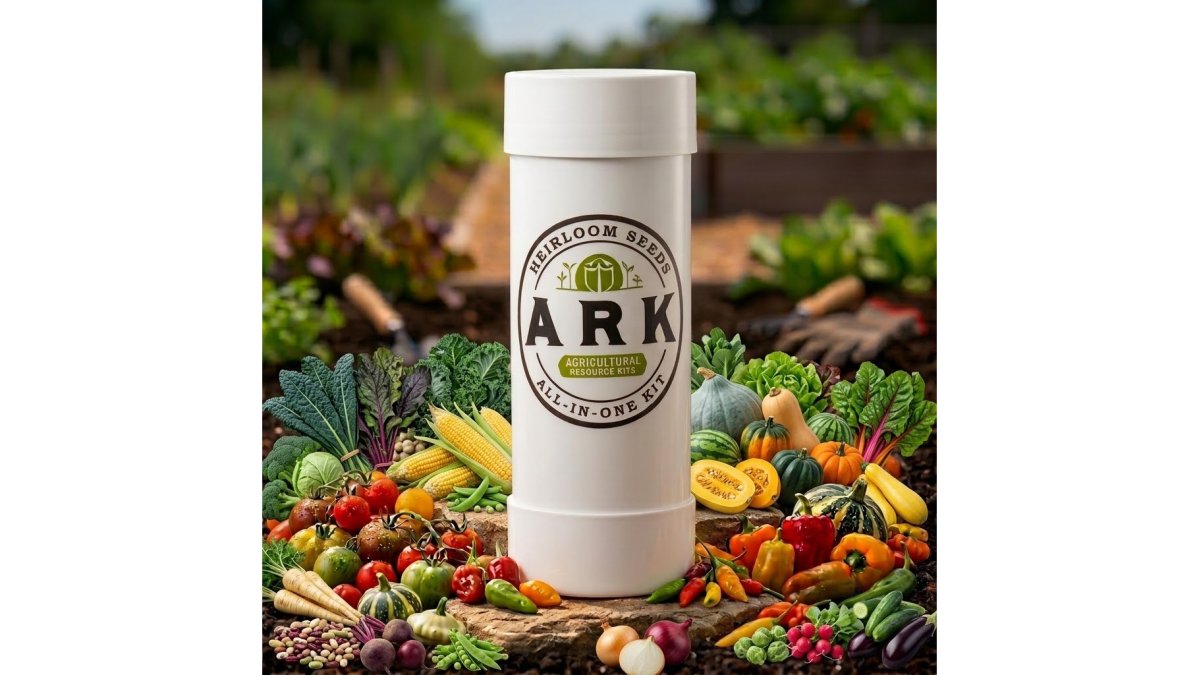
ARK Seed Kits offers organic heirloom seed collections for beginners with non-GMO, certified organic seeds packed for long-term storage. These seeds reproduce true to type, letting you save seeds and regrow the same vegetables year after year.

Heirloom vs. Hybrid vs. GMO: What's the Real Difference
Heirloom seeds produce plants that breed true. Save seeds from your tomato plant, and next year's tomatoes will taste and look identical. This consistency is what makes seed saving possible. Heirlooms thrive in specific climates because they've been adapted regionally over decades.
Hybrid seeds result from intentional cross-pollination and produce vigorous plants with bigger yields and disease resistance. However, seeds saved from hybrids don't breed true, next year's plants will differ from the parent. This forces annual seed purchases, which is why commercial seed companies favor hybrids.
GMO seeds are genetically modified for herbicide tolerance, pest resistance, or shelf life, designed for industrial agriculture. For organic home gardeners, GMO seeds are not an option.
Best Heirloom Seed Collections for Beginners: Quick Comparison
| Kit | Total Seeds | Price | Best For | Includes Growing Guide |
|---|---|---|---|---|
| Backyard Seed Kit | 20,000+ | $99.00 | First-time growers with standard gardens | No (add for $10) |
| All-In-One Seed Kit | 50,000+ | $249.00 | Maximum variety and multi-year supply | Yes, included |
| Herb Seed Kit | 6,000+ | $29.99 | Culinary and medicinal herb gardeners | No |
| Salsa Seed Kit | 1,000+ | $29.99 | Gardeners wanting salsa ingredients | No |
| Patio Seed Kit | 2,000+ | $29.99 | Container and small-space gardeners | No |
Backyard Seed Kit: Ideal for First-Time Growers
The Backyard Seed Kit at $99.00 contains over 20,000 seeds across 28 varieties: beans, corn, peas, squash, peppers, root vegetables, leafy greens, and herbs like basil, dill, and cilantro.

The kit doesn't include the growing guide (add for $10), which covers planting depth, spacing, germination rates, hardiness zones, and seed saving techniques.
The seed count is substantial, multiple harvests from a single kit are realistic, and variety ensures crops suited to your hardiness zone.
All-In-One Seed Kit: Maximum Variety and Included Growing Guide
The All-In-One Seed Kit at $249.00 contains 50,000+ seeds: seven tomato varieties, four lettuce types, multiple bean cultivars, squash, peppers, root vegetables, brassicas, and 16 herbs.

The Seed Growing Guide is included, covering soil preparation, season extension, food preservation, and emergency preparedness techniques.
The all-in-one delivers more seeds per dollar than specialty kits and provides enough for succession planting across seasons.
Complete coverage across vegetable categories, included growing guide, enough seeds for multiple seasons, and durable PVC packaging designed for 15+ year shelf life.
Specialty Kits: Herbs, Salsa, and Patio Options
For gardeners with specific goals, specialty kits eliminate the guesswork.
The Herb Seed Kit at $29.99 contains 6,000+ seeds of seven herbs: cilantro, basil, dill, oregano, parsley, chives, and thyme. Perfect for windowsills or containers, these seeds germinate quickly and produce multiple harvests per season.
The Salsa Seed Kit at $29.99 includes 1,000+ seeds for salsa: tomatoes, onion, jalapeño and cayenne peppers, bell pepper, and cilantro, a curated collection for focused gardeners.
The Patio Seed Kit at $29.99 contains 2,000+ seeds for containers: cherry tomato, bell pepper, cucumber, radish, lettuce, basil, and cilantro, ideal for balconies and small spaces.
Specialty kits reduce decision fatigue and serve as lower-cost entry points for testing heirloom gardening.
How to Choose Heirloom Seeds for Your Climate and Hardiness Zone
Heirloom varieties have been adapted to specific regions over generations. Choosing seeds suited to your hardiness zone dramatically improves your success rate.
When selecting heirloom seeds for beginners, start with your hardiness zone. The USDA divides the country into 13 zones (1 coldest, 13 warmest) based on average minimum winter temperatures. Your zone determines which crops survive winters, which need indoor starting, and which won't mature in your season.
Find your hardiness zone at USDA Plant Hardiness Zone Map. Enter your zip code, and the map shows your zone instantly. This is your foundation for seed selection.
Count frost-free days between your last spring frost and first fall frost. Tomatoes need 60-85 days, peppers 60-90 days, squash 50-65 days. Root vegetables are more flexible.
Cross-reference your zone and frost dates with seed packet information. The ARK Seed Growing Guide includes a zone planting map and seasonal chart.
Consider your microclimate: south-facing beds warm faster and extend your season; north-facing areas stay cooler; low-lying areas collect cold air. These shifts can change your effective season by 2-3 weeks.
Seed Saving for Beginners: Growing the Same Vegetables Year After Year
Seed saving transforms gardening from an annual expense into a self-perpetuating system. With heirloom seeds, you grow plants, harvest mature seeds, store them properly, and replant next year. The cycle repeats indefinitely.
Let plants mature fully on the vine: tomatoes fully ripe, beans and peas until pods turn brown and papery, lettuce and herbs until they bolt. This maturation naturally favors the healthiest, most vigorous plants.
Clean mature seeds thoroughly, removing debris and damaged seeds. Dry completely before storage, moisture causes premature germination or rot. Aim for seed moisture content below 10%.
Store seeds in cool, dark, dry conditions, a freezer or refrigerator works well. Use airtight containers or resealable packaging. Label with variety name and harvest date.
Can I Regrow Grocery Store Vegetables from Heirloom Seeds
This is a common question, and the answer requires nuance. You cannot reliably regrow vegetables from grocery store produce because most commercial produce comes from hybrid seeds. Plant seeds from a grocery store tomato, and you'll get something different, often inferior, next year.
If you source heirloom vegetables from farmers markets or specialty grocers, seed saving is possible.
Storing Heirloom Seeds: Shelf Life and Long-Term Viability
Heirloom seeds remain viable for years when stored properly. Many vegetables maintain 70%+ germination rates for 5-10 years under ideal conditions.
Common Mistakes Beginners Make with Heirloom Seeds
New gardeners encounter predictable pitfalls. Knowing them in advance saves frustration and failed harvests.
Frequently Asked Questions
Can I really grow heirloom seeds if I've never gardened before?
Yes. Heirloom seeds are actually easier for beginners than many assume. They're bred to grow reliably in open-pollinated conditions without chemical inputs. Start with a kit like the Backyard Seed Kit ($99), which includes 20+ varieties with clear seed packet labels. The germination rates are high, and most heirloom vegetables (tomatoes, lettuce, beans, squash) are forgiving of beginner mistakes. Many customers report success on their first try.
How do I know heirloom seeds are actually organic and non-GMO?
ARK Seed Kits are 100% organic and non-GMO by design. Heirloom varieties are open-pollinated seeds that reproduce true-to-type, meaning they cannot be genetically modified in the way modern hybrids are. Each seed is labeled and sealed separately, and the All-In-One kit includes a Seed Growing Guide that explains the genetics and history of each variety. For long-term storage and emergency preparedness, this genetic stability is essential.
Can I save seeds from heirloom vegetables and replant them next year?
Absolutely. That's the defining feature of heirloom seeds. Unlike hybrid seeds, which produce unpredictable offspring, heirloom varieties reproduce after their own kind. The All-In-One Seed Kit ($249) comes with a Seed Growing Guide that includes detailed seed saving techniques for every variety. You can harvest, dry, and store seeds for next season, making your investment pay dividends year after year.
How long will heirloom seeds stay viable if I store them for emergencies?
ARK Seed Kits are packed in indestructible PVC tubing and self-sealed containers designed for 15+ year shelf life when stored in cool, dry conditions. Seed viability depends on storage temperature and moisture control. Keep seeds in a dark place, ideally 40-50°F, with low humidity. The Seed Growing Guide includes detailed storage instructions. Proper storage ensures your seeds remain viable for long-term food security.
Will heirloom seed kits work for small spaces like apartments or patios?
Yes. The Patio Seed Kit ($29.99) is specifically designed for small spaces and includes varieties that thrive in containers: tomatoes, peppers, cucumbers, lettuce, radishes, and herbs. The Herb Seed Kit ($29.99) works beautifully on windowsills. Both kits are labeled as suitable for indoor and outdoor gardening. Even without a backyard, you can grow nutrient-dense heirloom vegetables in pots on a balcony or sunny windowsill.


