


How to Grow Food in Small Spaces: Vertical & Container Guide
08:07 AMTable of Contents
- Start with a Small-Space Vegetable Garden Layout
- Easy Vegetables to Grow in Containers
- Vertical Vegetable Gardening for More Yield
- Vegetables That Grow in Shallow Soil
- Container Setup and Ongoing Care for Small Spaces
- Seasonal Planting Calendar and Succession Planting
- Conclusion: Your Small-Space Food Garden Starts Now
- Frequently Asked Questions
Last Updated: October 7, 2026
Start with a Small-Space Vegetable Garden Layout
You do not need a backyard to grow real food. A small-space vegetable garden layout starts with two numbers: how many square feet you have, and how many hours of direct sun that space gets. Get those right, and everything else falls into place.
This guide from ARK Seed Kits walks through how to grow food in small spaces step by step, from measuring sunlight to picking crops that actually produce in pots.
Here is what most guides get wrong: they hand you a plant list before you have measured anything. Sun and square footage decide your crops, not the other way around. The USDA home garden guidance makes the same point: light is the first limit on any food garden.
Measure Your Space and Map Sunlight
Track your space before you plant anything. Check it every two hours on a clear day and write down when sun hits and when shade takes over. Do this in spring and again in late summer, because a spot that gets 8 hours in June may drop to 4 by September.
- Full sun: 6 or more hours of direct light (Gardening Terms Defined | Illinois Extension)
- Part sun: 4 to 6 hours
- Shade: under 4 hours
Most fruiting vegetables want full sun. Leafy greens and herbs tolerate part sun. If you only get shade, grow lettuce, spinach, and herbs rather than tomatoes.
Sample Layouts by Space Size
Match your layout to what you actually have. These four plans cover most homes, with spacing and container counts you can copy directly.
Windowsill (about 2 sq ft, 4-6 hours sun)
- 4 to 6 pots, 4-6 inches wide each
- Crops: basil, chives, parsley, leaf lettuce, and one compact cherry tomato in a 6-inch pot if sun allows
- Spacing: 4 to 6 inches between pots
- Expected output: a steady herb supply plus a few salads a week
Balcony (about 10 sq ft, 6+ hours sun)
- 4 to 6 pots of 3-5 gallons, plus one hanging basket
- Crops: cherry tomato (5-gallon), bell pepper (3-gallon), radishes (1-gallon), leaf lettuce (1-gallon), bush beans (2-gallon)
- Spacing: 12 to 18 inches between large pots, 6 inches between small ones
- Add one railing hook for a trailing herb like thyme
Patio (about 25 sq ft, 6+ hours sun)
- 8 to 10 pots of 3-5 gallons, plus one trellis
- Crops: two cherry tomatoes, two peppers, one cucumber on the trellis, plus lettuce, radishes, and herbs in smaller pots
- Spacing: 18 inches between fruiting plants, 6 to 8 inches between greens
- Trellis footprint: about 2 sq ft of ground for 6+ feet of vertical growth
Small yard (50+ sq ft, 6+ hours sun)
- One 4x4 raised bed (16 sq ft) plus a vertical wall
- Bed crops: tomatoes, peppers, bush beans, and a lettuce border
- Vertical wall: cucumbers, pole beans, or peas on a wall-mounted grid
- Spacing in bed: 24 inches between tomatoes, 12 inches between peppers, 4 inches between lettuce
- Expected output: enough salad and cooking crops for one to two people through the season
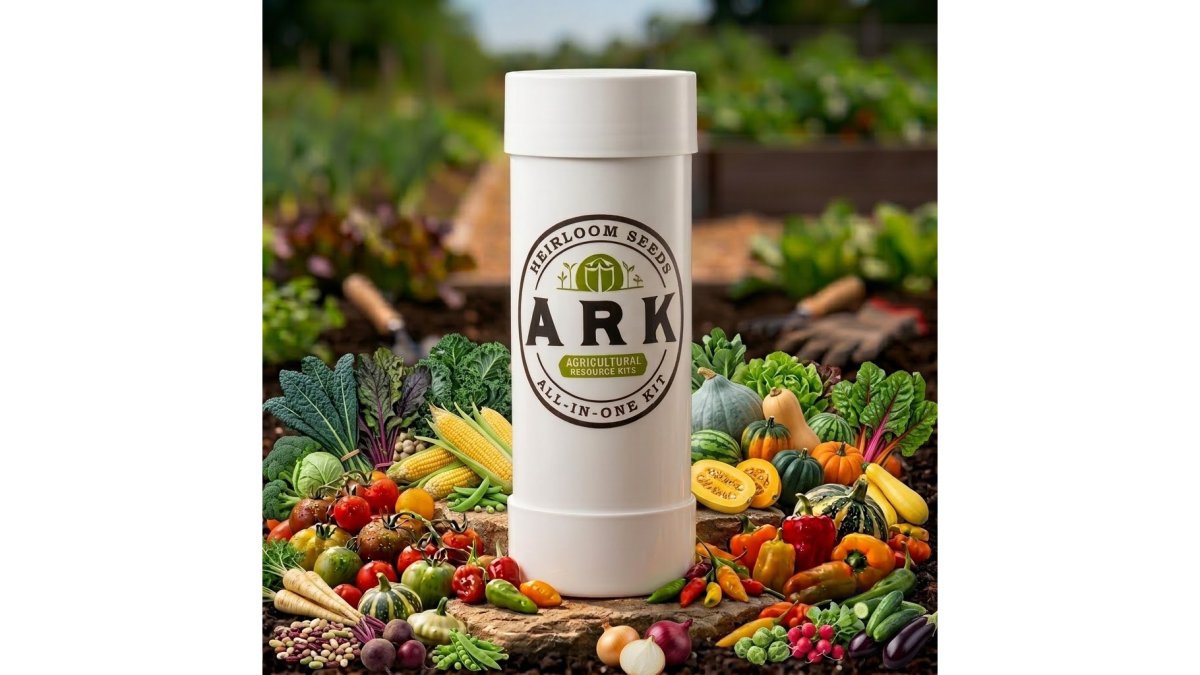
Match Crops to Your Sunlight Hours
Once you know your hours, pick crops that fit rather than fighting the light.

- 6+ hours: tomatoes, peppers, cucumbers, beans, squash, corn
- 4 to 6 hours: lettuce, spinach, kale, radishes, carrots, most herbs
- Under 4 hours: lettuce, spinach, arugula, chives, parsley, mint
A common pattern is to put fruiting crops in the sunniest spot and rotate leafy greens into the shadier edges. That way every square foot earns its keep.
Easy Vegetables to Grow in Containers
The easiest vegetables to grow in containers are cherry tomatoes, peppers, radishes, lettuce, and bush beans. These five handle pot life well because they stay compact and do not need deep roots.
Pot size decides success more than seed choice. A tomato in a 2-gallon pot will stall. The same plant in a 5-gallon pot will fruit for months.
- Cherry tomatoes: 5-gallon pot minimum
- Bell peppers: 3-gallon pot
- Radishes: 1-gallon pot, ready in under a month
- Leaf lettuce: 1-gallon pot, harvest outer leaves
- Bush beans: 2-gallon pot, no trellis needed
Our Patio Seed Kit fits this list exactly. It packs over 2,000 seeds, including Red Cherry Tomato, California Bell Pepper, Berry Belle Radish, and Salad Bowl Lettuce, so one box covers a full balcony setup.

Vertical Vegetable Gardening for More Yield
Vertical vegetable gardening turns walls and railings into growing space. A single trellis can double your harvest without adding one square foot of ground area.
Climbing crops are the workhorses here. Beans, peas, cucumbers, and small melon varieties all grow up instead of out.
Trellises, Walls, and Climbing Crops
Pick a support that matches your wall. Options that work in tight spots:
- A-frame trellis for peas and pole beans
- Wall-mounted grid for cucumbers
- Railing hooks for hanging pots of herbs
- Stacked wall planters for lettuce and strawberries
Clemson Extension's vegetable garden planning guide notes that trellised crops also see better airflow, which lowers disease pressure.
Vegetables That Grow in Shallow Soil
Vegetables that grow in shallow soil include lettuce, spinach, radishes, chives, and most herbs. These crops root in 6 inches or less, which makes them ideal for window boxes and shallow planters.
Deep-rooted crops are the opposite. Tomatoes, carrots, and squash want 10 to 12 inches or more. Plant them in tall pots or grow bags, not trays.
- 6-inch depth: lettuce, arugula, radishes, basil, chives
- 8-inch depth: bush beans, spinach, strawberries
- 12-inch depth: tomatoes, peppers, carrots, cucumbers
Our Herb Seed Kit suits shallow containers well. It holds over 6,000 seeds across cilantro, basil, dill, oregano, parsley, chives, and thyme, and every one of those herbs grows fine in a 6-inch pot on a windowsill.

Container Setup and Ongoing Care for Small Spaces
Container setup and care decide whether your garden produces or stalls. Pots dry out faster than ground beds, and closed spaces block the wind that usually moves pollen.
Start with drainage. Every pot needs holes, and a saucer catches runoff without waterlogging roots.
Watering, Feeding, and Pollination in Confined Spaces
Watering follows a simple rule: check the top inch of soil. Dry means water. Most pots need a drink daily in summer.
Feeding matters because potting mix runs out of nutrients. Add a balanced organic feed every two to three weeks during the growing season.
Pollination is the step balcony growers forget. Without wind or bees, tomatoes and peppers drop their flowers.
- Tap the main stem gently each morning to release pollen
- Use a small brush to move pollen between flowers
- Open windows or doors when plants are in bloom
Seasonal Planting Calendar and Succession Planting
Succession planting means sowing a new round every two to three weeks instead of all at once. This keeps food coming instead of one giant harvest that spoils. In a small space, it also lets you swap out a finished crop for a fresh one without ever leaving a pot empty.
A simple calendar for a small space:
| Season | Sow | Harvest Window |
|---|---|---|
| Early spring | Lettuce, radishes, peas | 30-60 days |
| Late spring | Tomatoes, peppers, beans | 60-90 days |
| Midsummer | Basil, bush beans | 45-60 days |
| Late summer | Spinach, kale, more radishes | 30-50 days |
Stagger your sowing by two weeks and you will harvest something most weeks of the year. Our Seed Growing Guide includes a zone planting map and seasonal chart to line this up with your local frost dates.
Plan for Realistic Yield, Not Maximum Yield
Most guides skip this part: how much food you actually get. A single cherry tomato plant in a 5-gallon pot typically yields a few pints to a couple of quarts over the season. One pepper plant gives roughly 6 to 12 fruits. A 1-gallon pot of leaf lettuce gives several cuttings if you harvest outer leaves instead of pulling the plant.
That math matters when you plan for one or two people. A realistic small-space target is:
- One person, salad focus: 4 to 6 pots of greens plus 2 to 3 herb pots
- One person, mixed diet: add 1 tomato, 1 pepper, and 1 bean plant
- Two people: double the fruiting plants and keep greens on a two-week succession
Prioritize crops you eat often and that cost the most at the store. Herbs, salad greens, and cherry tomatoes usually give the best return per square foot.
Rotate Crops Through the Same Pots
When one crop finishes, do not let the pot sit idle. Pull the plant, refresh the top few inches of potting mix with compost, and sow the next round. A pot that grew radishes in spring can carry basil in summer and spinach in fall.
- After peas or beans, plant leafy greens (they use the leftover nitrogen)
- After tomatoes or peppers, plant radishes or lettuce
- Avoid planting the same family in the same pot back to back
Conclusion: Your Small-Space Food Garden Starts Now
The hardest part of growing food in tight quarters is starting before you feel ready. Pick one pot, one crop, and one sunny spot this week.
ARK Seed Kits makes that first step simple. Our kits use 100% heirloom, non-GMO seeds, come packed for 15+ year storage in resealable packaging, and include a free growing guide. Because the seeds reproduce after their own kind, you can save seed and replant year after year instead of buying new packets each season.
Get started with ARK Seed Kits and turn the space you already have into a food supply you control.
Frequently Asked Questions
What are the easiest vegetables to grow in a small space?
Lettuce, radishes, spinach, bush beans, and cherry tomatoes are among the easiest. They mature quickly, stay compact, and tolerate container growing well. Herbs like basil, cilantro, and chives also thrive in small pots. ARK Seed Kits' Patio Seed Kit includes cherry tomato, bell pepper, cucumber, radish, lettuce, basil, and cilantro, giving you a ready mix of beginner-friendly crops for a balcony or patio.
How much sunlight do vegetables need in containers?
Most fruiting vegetables like tomatoes, peppers, and cucumbers need 6 to 8 hours of direct sun daily. Leafy greens and herbs such as lettuce, spinach, and cilantro can produce with 4 to 6 hours. Before planting, track sunlight across your balcony or patio for a day. If you get less than 4 hours, focus on shade-tolerant greens and herbs rather than fruiting crops.
How do I keep container-grown vegetables watered and healthy?
Containers dry out faster than garden beds, so check moisture daily by pressing a finger into the top inch of soil. Water when it feels dry. Use pots at least 10 to 12 inches deep for most vegetables, and make sure they have drainage holes. A layer of mulch on top slows evaporation. Feed with a balanced organic fertilizer every two to three weeks during the growing season.
Can I grow food in small spaces year-round?
Yes, with planning. Cool-season crops like lettuce, spinach, and radishes grow well in spring and fall. In summer, shift to heat-loving tomatoes, peppers, and beans. Indoors or in a greenhouse, herbs and greens can produce through winter. Use succession planting, sowing new seeds every two to three weeks, to keep harvests coming instead of one big crop that finishes all at once.


