


Best Heirloom Seeds for 2026 Planting: Top Varieties
01:32 PMTable of Contents
- Why Heirloom Seeds Are the Smart Choice for 2026
- Top Heirloom Vegetable Varieties to Plant in 2026
- Heirloom vs Hybrid Seeds Benefits: What You Need to Know
- How to Save Heirloom Seeds for Next Year
- Heirloom Seed Storage Tips for Long-Term Viability
- Planning Your 2026 Garden: Zones, Timing, and Pests
- Conclusion
- Frequently Asked Questions
Last Updated: September 16, 2026
Why Heirloom Seeds Are the Smart Choice for 2026
Heirloom seeds are open-pollinated varieties that have been passed down for generations, and they remain the most reliable choice for gardeners who want to save seed and regrow their harvest year after year. At ARK Seed Kits, we hear the same question every season: what should I plant this year? The answer starts with choosing varieties that actually perform in your conditions.
Top Heirloom Vegetable Varieties to Plant in 2026
Start with crops that earn their space: tomatoes, peppers, and root vegetables deliver the highest harvest yield per square foot for most home gardens.
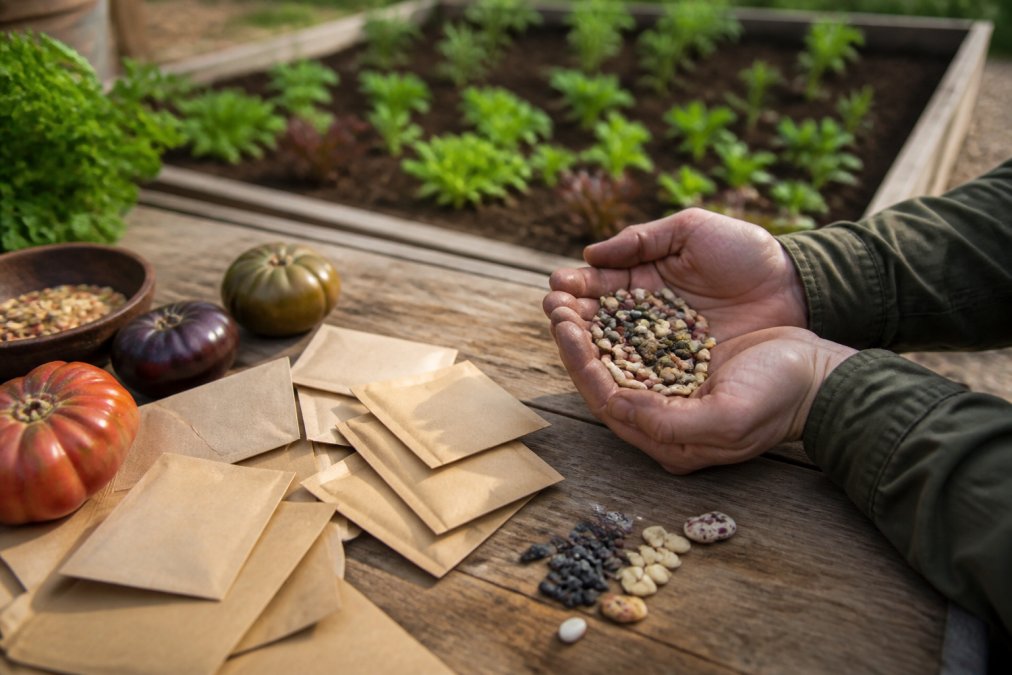
Tomatoes, Peppers, and Root Crops
Brandywine (80-100 days, indeterminate) remains the benchmark for slicing flavor, but it cracks under uneven watering and carries little resistance to foliar disease. Cherokee Purple (75-85 days, indeterminate) is more productive and handles heat better, though its shoulders stay green, that is a trait, not a defect. For a shorter season, Stupice (55-65 days, determinate) sets fruit earlier than almost any other heirloom and tolerates cool nights.
Leafy Greens, Herbs, and Pollinator Favorites
Lacinato (dinosaur) kale, Five Color Silverbeet chard, and Bloomsdale Long Standing spinach all tolerate light frost, which extends your harvest window on both ends of the season. Bloomsdale in particular is slow to bolt compared with modern hybrids, which matters more than yield in a home garden.
Rare and Unique Cultivars Worth Trying in 2026
If you want something the neighbors are not growing, these are the varieties that show up on heirloom preservation lists year after year:
- Glass Gem corn, flint corn with translucent, jewel-toned kernels; ornamental and grindable for cornmeal
- Aunt Ruby's German Green tomato, large green-when-ripe beefsteak with a sweet, slightly spicy finish
- Bull's Blood beet, deep maroon tops that work as a cut-and-come-again salad green
- Cherokee Trail of Tears bean, pole bean with purple pods and black-and-white seed; historically significant and a strong producer
- Fish pepper, variegated foliage and striped fruit; heat level varies, so taste before you commit a whole salsa batch
| Crop | Days to Maturity | Why It Earns Space | Save Seed? |
|---|---|---|---|
| Brandywine tomato | 80-100 | Flavor, slicing | Yes |
| Stupice tomato | 55-65 | Short-season reliability | Yes |
| Jimmy Nardello pepper | 75-85 | Sweet, reliable ripening | Yes |
| Detroit Dark Red beet | 55-65 | Cold tolerance, storage | Yes |
| Nantes carrot | 65-75 | Splitting resistance | Yes |
| Lacinato kale | 60-75 | Frost hardiness | Yes |
| Calendula | 50-60 | Pollinators, medicinal | Yes |
Heirloom vs Hybrid Seeds Benefits: What You Need to Know
The core difference comes down to reproduction. Heirloom and open-pollinated varieties produce seed that grows true to the parent plant. Hybrid seed does not.
How to Save Heirloom Seeds for Next Year
Seed saving is the entire point of growing heirlooms, and the process is simpler than most people expect. The general rule: save seed from your healthiest plants, never from weak or diseased ones.
Step-by-Step Seed Saving Basics
- Let the fruit or pod fully mature past eating stage
- Harvest on a dry day, mid-morning after dew dries
- Separate seed from flesh and rinse clean
- Dry on a screen or paper plate for one to two weeks
- Label with variety name and harvest date
- Store in a cool, dark, dry location
Wet-seeded crops like tomatoes benefit from fermentation, which removes the gel coating and improves germination. Dry-seeded crops like beans and peppers simply need thorough drying before storage.
Heirloom Seed Storage Tips for Long-Term Viability
Moisture and heat are the two enemies of stored seed. Heirloom seed storage tips that actually work focus on controlling both.
Planning Your 2026 Garden: Zones, Timing, and Pests
Garden planning starts with your hardiness zone and first frost date. Those two numbers set your seed starting calendar, transplanting dates, and direct sow windows. Most guides stop there. This section goes further: it maps heirloom varieties to the zones where they actually perform, and it profiles the pest and disease pressures those varieties are selected to resist.
Zone-by-Zone Heirloom Picks
USDA hardiness zones describe average annual minimum winter temperature, not growing-season length, but for planning purposes the two track closely enough to be useful. The picks below assume a typical last-frost date for each zone band; confirm yours with your local extension office before you start seed indoors.
- Zones 3-4 (short season, roughly 90-120 frost-free days): Stupice tomato, Early Jalapeno, Detroit Dark Red beet, Bloomsdale spinach. Start tomatoes indoors 6-8 weeks before last frost; direct sow beets and spinach as soon as soil can be worked.
- Zones 5-6 (moderate season, roughly 140-170 days): Brandywine and Cherokee Purple tomatoes, Jimmy Nardello pepper, Nantes carrot, Lacinato kale. Start tomatoes and peppers indoors 8 weeks out; succession-sow carrots every 3 weeks through midsummer.
- Zones 7-8 (long season, roughly 180-220 days): Cherokee Purple, Aunt Ruby's German Green, Fish pepper, Cherokee Trail of Tears bean. Direct sowing becomes viable for beans and many greens; watch for heat stall on tomatoes in July and August.
- Zones 9-10 (near-year-round, 240+ days): Fall and winter are your best tomato and pepper windows. Plant in late summer for a fall harvest and again in late winter for a spring crop. Summer heat will shut down fruit set on most large beefsteaks.
A Simple Seed-Starting Calendar
Work backward from your last frost date. The pattern that works for most gardeners:
- 10-12 weeks before last frost: onions, leeks, celery
- 8 weeks before: tomatoes, peppers, eggplant
- 6 weeks before: brassicas (kale, broccoli, cabbage)
- 4 weeks before: lettuce, chard, basil
- 0-2 weeks before: direct sow beets, carrots, spinach, radish
- After last frost: beans, corn, squash, cucumbers
Pest and Disease Resistance Profiles
Competitors rarely publish this, but it is the information that decides whether an heirloom survives to harvest. Resistance here means documented tolerance passed down through selection, not genetic engineering.
- Tomatoes: Brandywine has essentially no resistance to early blight or fusarium, plan for airflow, mulch, and rotation. Cherokee Purple shows moderate tolerance to fusarium wilt but still cracks under irregular watering. Stupice handles cool, wet conditions better than most beefsteaks.
- Peppers: Jimmy Nardello is relatively unbothered by aphids compared with thicker-walled sweets, but it is not resistant to bacterial spot. Rotate away from tomatoes and peppers for at least three years.
- Beets and chard: Both are susceptible to leaf miners and Cercospora leaf spot. Detroit Dark Red tolerates leaf spot better than most; floating row cover through the first six weeks blocks leaf miner egg-laying.
- Kale and brassicas: Lacinato kale is a magnet for cabbage worms. Bt (Bacillus thuringiensis) is the standard organic control, and it is most effective when applied to young larvae.
- Beans: Cherokee Trail of Tears is a vigorous pole bean that outgrows most early pest pressure, but it is not resistant to common bean mosaic virus. Do not save seed from plants showing mottled leaves.
Crop Rotation and Soil Health
Build crop rotation into your layout now, because rotating plant families breaks pest and disease cycles that overwinter in soil. A simple four-block rotation, nightshades, brassicas, roots, and legumes, covers most home gardens. Legumes like Cherokee Trail of Tears fix nitrogen and leave the soil better than they found it, which is the whole point of growing heirlooms in a system rather than as isolated plants.
Conclusion
The hardest part of seed selection is committing to varieties before you know how they'll perform in your soil. ARK Seed Kits takes the guesswork out of that decision with 100% heirloom, non-GMO seed collections packed for 15+ year shelf life, a free growing guide in every kit, and resealable packaging built for long-term storage. Start your 2026 garden with seed you can save, replant, and trust. Shop Now.
Frequently Asked Questions
How long will heirloom seeds last if stored properly?
Most heirloom seeds stay viable for 3 to 5 years when stored in a cool, dark, and dry place. With proper storage in airtight containers and consistent low humidity, some varieties like beans and corn can last 5 to 10 years. For long-term food security, many gardeners use sealed kits designed for multi-year shelf life, which helps ensure germination when you need it most.
Why choose heirloom seeds over hybrid varieties?
Heirloom seeds are open-pollinated, meaning you can save seeds and grow the same crop year after year. Hybrids often produce uniform plants but their seeds may not grow true to type. Heirloom varieties also offer richer flavor profiles, greater genetic diversity, and better adaptation to local growing conditions. For gardeners focused on sustainability and self-reliance, heirloom seeds are the practical choice.
What are the best heirloom seeds for beginners?
Start with easy-to-grow varieties like cherry tomatoes, bush beans, lettuce, radishes, and basil. These germinate reliably, tolerate a range of conditions, and produce quickly. Look for seed kits that include a growing guide and clear instructions. ARK Seed Kits offers curated collections with 100% organic, non-GMO seeds and a free growing guide, making it simpler for first-time gardeners to succeed.
How do I start a seed bank for long-term food security?
Begin by selecting open-pollinated heirloom varieties that store well, such as beans, corn, squash, and tomatoes. Store seeds in airtight, resealable containers away from heat and moisture. Rotate your stock every few years by growing out older seeds and saving fresh ones. A dedicated seed kit packed for long-term storage simplifies this process and helps you maintain a reliable, self-sustaining food supply.


