


Best Non-GMO Heirloom Seeds for Beginners to Grow
07:00 AMLast Updated: November 14, 2026
Quick Summary
The best non-GMO heirloom seeds for beginners are forgiving, fast-sprouting open-pollinated varieties like radish, lettuce, bush beans, snap peas, cherry tomatoes, zucchini and basil. Because heirloom seeds grow true to type, you can save seed from your best plants and replant the same variety year after year. Start with a small kit and sow the easiest crops first.
- Radish is the fastest beginner crop at roughly 22-30 days and germinates at soil temperatures as low as 45°F.
- Sow seed at roughly two to three times the seed's diameter and keep soil evenly moist until emergence.
- The Backyard Seed Kit costs $109.00 and holds over 20,000 seeds across more than 25 vegetables and herbs.
- Ferment tomato seed 2-4 days to remove the gel, then rinse and dry it for one to two weeks.
- Choose a supplier that lists named varieties, open-pollinated status, pack date and seed-saving instructions.
Table of Contents
- Why Non-GMO Heirloom Seeds Suit First-Time Gardeners
- Heirloom Seeds vs Hybrid Seeds: What the Label Tells You
- The Easiest Heirloom Seeds to Grow in Your First Season
- Beginner Seed Kits Compared: Prices, Seed Counts and What's Inside
- How to Save Heirloom Seeds So You Never Buy Again
- Choosing the Best Company to Buy Heirloom Seeds From
- Pick Your Kit and Plant Your First Row
- Frequently Asked Questions
Why Non-GMO Heirloom Seeds Suit First-Time Gardeners
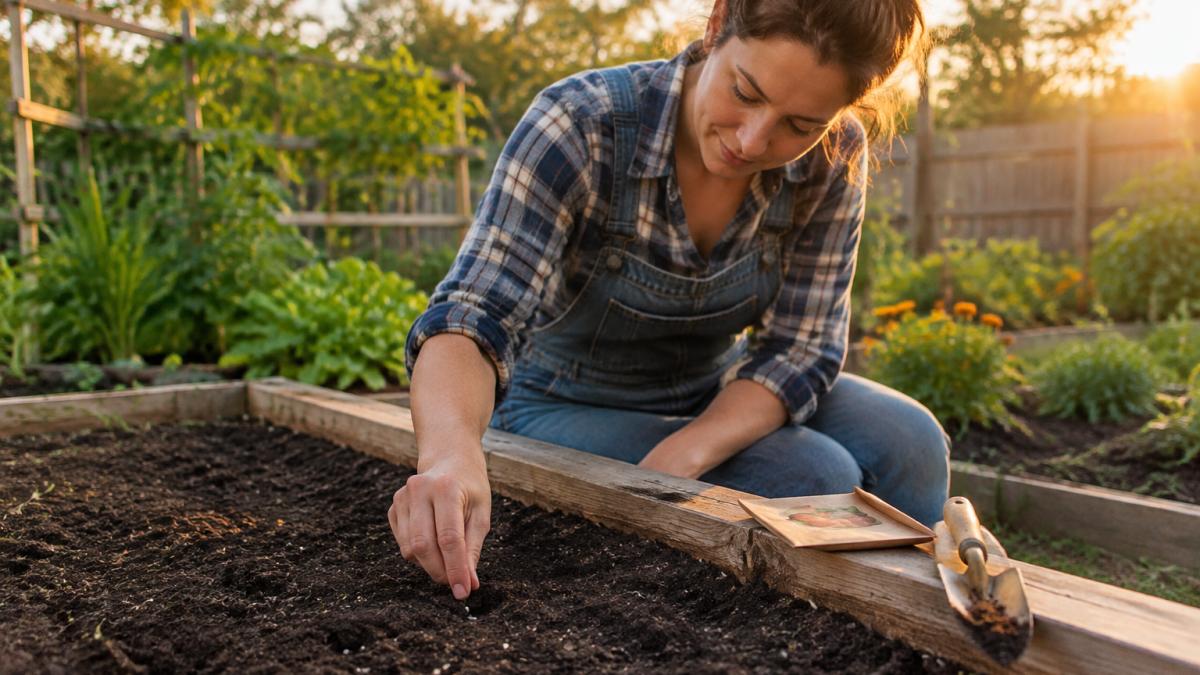
Non-GMO heirloom seeds can remove two common barriers for beginners: unpredictable results and seed that can't be regrown. Heirloom seeds are open-pollinated varieties passed down for generations, and they grow true to type, so saved seed produces the same plant. ARK Seed Kits offers non-GMO heirloom collections that can be saved and regrown year after year.
Most guides treat "non-GMO" as the whole story, but it only means the variety wasn't produced through genetic engineering. It says nothing about climate fit, chemical treatment, or whether you can save from it. Heirloom status and open pollination deliver the regrow-your-own-food benefit.
For a fuller walkthrough of organic seed selection, our organic heirloom seeds for beginners guide covers the basics in more depth.
Heirloom Seeds vs Hybrid Seeds: What the Label Tells You
The label answers the question in one line: heirloom and open-pollinated seed can be saved and replanted, while hybrid seed generally cannot reproduce reliably.
Open-Pollinated, Hybrid and GMO Explained
Open-pollinated seeds are pollinated naturally by wind, insects or hand, and saved offspring stay true to the parent plant.
Hybrid seeds come from a deliberate cross of two parent lines. The first generation performs well, but saved seed splits back toward the parents and gives uneven results.
GMO seeds have been altered through genetic engineering in a lab.
Untreated seed is the other label worth checking. Treated seed carries a chemical coating, which is why organic growers look for untreated packets.
| Label Term | Can You Save Seed? | What It Means for a Beginner |
|---|---|---|
| Heirloom | Yes, reliably | Same variety next year, no repeat purchase |
| Open-pollinated | Yes, reliably | Stable offspring when saved properly |
| Hybrid (F1) | No, unreliable | Buy fresh seed each season |
| GMO | Varies | Lab-altered genetics, rare in home garden seed |
| Untreated | Depends on the above | No chemical seed coating |
The Easiest Heirloom Seeds to Grow in Your First Season
The easiest heirloom seeds to grow germinate fast, tolerate imperfect soil, and show visible progress before your enthusiasm runs out. Below is a ranked shortlist of widely available open-pollinated varieties with days to harvest, sowing depth, spacing, and germination soil temperature.
Ranked by forgiveness, not by popularity
- Radish, 'Cherry Belle' or 'French Breakfast.' Roughly 22-30 days, germinates at soil temperatures as low as 45°F, sows 1/2 inch deep, 1 inch apart, thinning to 2 inches. The fastest feedback loop in the garden.
- Lettuce, 'Black Seeded Simpson' (leaf) or 'Buttercrunch' (bibb). About 45-55 days to full heads, but leaf lettuce can be cut at 30 days. Sow 1/8 inch deep, thin to 8-12 inches for heads or 4-6 inches for cut-and-come-again. Germinates best at 60-70°F; above 80°F it goes dormant, so fall planting beats midsummer in hot regions.
- Bush bean, 'Provider' or 'Contender.' Roughly 50-55 days, no trellis, sows 1 inch deep and 2-3 inches apart, thins to 4-6 inches. Beans fix their own nitrogen and tolerate average soil.
- Snap pea, 'Sugar Ann' (dwarf) or 'Oregon Sugar Pod II.' About 60-70 days, sows 1 inch deep and 2 inches apart. Cold-tolerant and sown 4-6 weeks before last frost, but they sulk in heat.
- Cherry tomato, 'Matt's Wild Cherry' or 'Black Cherry.' About 60-75 days from transplant, sows 1/4 inch deep indoors 6-8 weeks before last frost. Cherry types set fruit more reliably in heat and crack less than beefsteaks.
- Zucchini, 'Black Beauty' or 'Costata Romanesco.' About 50-60 days, sows 1 inch deep, one plant per 3-foot hill. One or two plants feed a household.
- Basil, 'Genovese', and cilantro, 'Santo.' About 60-70 days for basil, 45-55 for cilantro. Both are container-friendly, but cilantro bolts fast in heat, so succession-sow every 2-3 weeks.
Match the variety to your zone and frost dates
Climate decides which of these you can grow, and when. Use your USDA Plant Hardiness Zone for winter cold tolerance and your local extension office's average last-frost date for spring timing.
- Cool-season crops (radish, lettuce, peas) go out 2-4 weeks before last frost and again in late summer for a fall harvest. In Zones 8-10, shift lettuce and peas to fall and winter.
- Warm-season crops (beans, tomatoes, zucchini, basil) go out only after soil reaches 60°F and all frost risk has passed. In Zones 3-4, choose the fastest-maturing varieties and start tomatoes indoors 6-8 weeks early.
- In hot-summer regions, treat lettuce and cilantro as shoulder-season crops and give tomatoes and peppers afternoon shade.
Sowing depth, spacing, and the mistakes that kill germination
- Depth rule of thumb: sow at roughly two to three times the seed's diameter. Radish and lettuce barely need covering; beans and peas go an inch deep.
- Water before and after, not during. Moisten the bed, sow, then mist gently so you don't wash seed away.
- Thin ruthlessly. Crowded seedlings compete and none perform. Snip extras at soil level rather than pulling, which disturbs neighboring roots.
Watch out: seed started indoors needs 12-16 hours of light a day within a day of sprouting, or seedlings stretch into weak, leggy stems that never recover.
For a broader shortlist of proven varieties, our roundup of the best heirloom seeds for 2026 planting ranks top performers by use case.
Beginner Seed Kits Compared: Prices, Seed Counts and What's Inside
A beginner seed kit is a curated collection of individually sealed seed packets sold as one purchase. The right kit depends on how much space you have and how much variety you want to manage.
| Kit | Price | Seed Count | Best For |
|---|---|---|---|
| Herb Seed Kit | $29.99 | 6,000+ | Windowsill and kitchen growing |
| Patio Seed Kit | $29.99 | 2,000+ | Balconies and small containers |
| Salsa Seed Kit | $29.99 | 1,000+ | Growing a single themed harvest |
| Backyard Seed Kit | $109.00 | 20,000+ | A first full vegetable garden |
| All-In-One Seed Kit | $299.00 | 50,000 | Long-term food storage plus variety |
| Prepper Special | $1,196.00 | Five All-In-One kits | Building a multi-year seed reserve |
Price
Pros and Cons of Each Kit
Herb Seed Kit bundles seven essential herbs, including basil, cilantro, dill and thyme. It works indoors or out, which suits renters, but it's herbs only, no main-crop vegetables.
Salsa Seed Kit gives you the full ingredient list for fresh salsa, from tomato and onion to jalapeño and cilantro.
Backyard Seed Kit delivers over 20,000 seeds across more than 25 vegetables and herbs for $109.00.
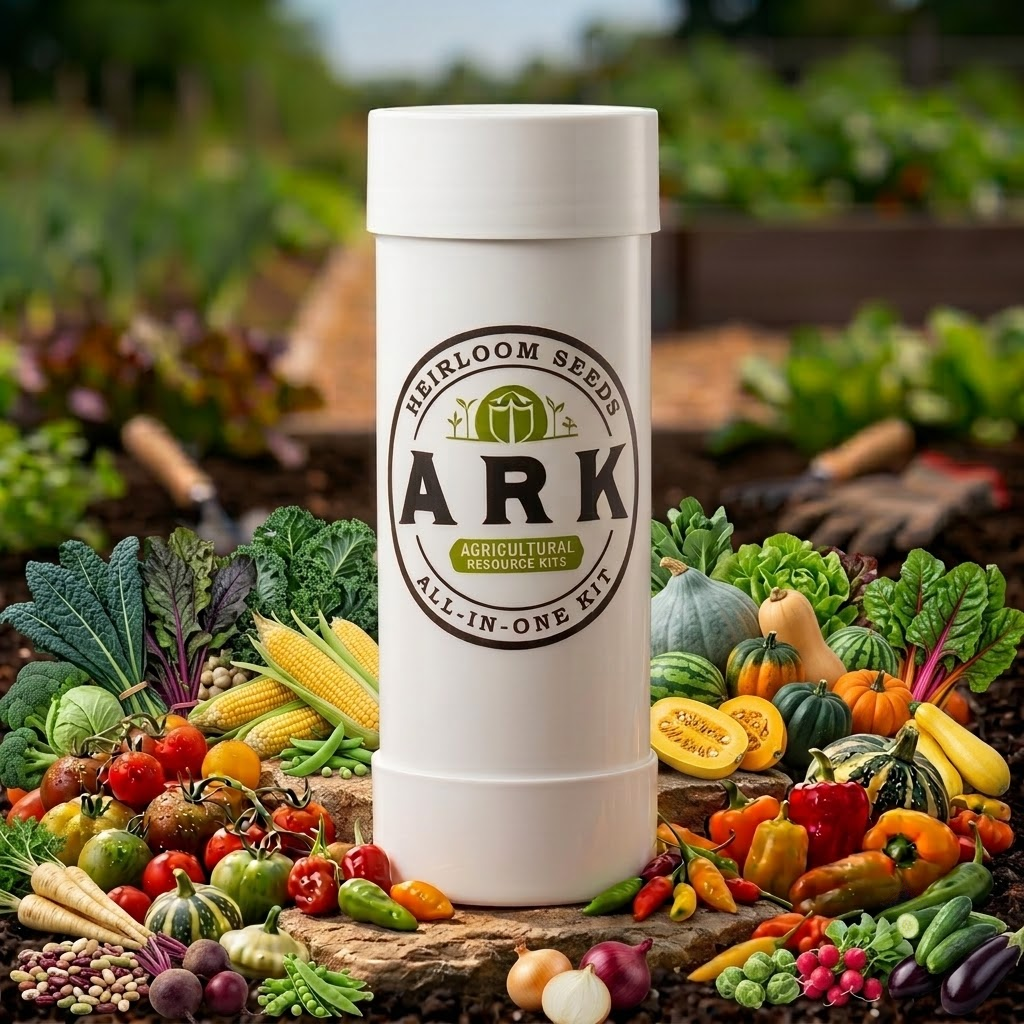
When you've picked your kit, you can view the all-in-one beginner seed kit and check exactly what's inside before ordering.
Watch out: a large kit can overwhelm a first-year gardener.
How to Save Heirloom Seeds So You Never Buy Again
Saving heirloom seed comes down to four steps: let the fruit or pod fully mature, harvest at the right stage, dry the seed completely, and store it cool and dark. What separates a saved seed that sprouts from one that molds is crop-specific handling, wet-processed seeds like tomatoes and cucumbers need a different routine than dry-processed seeds like beans and lettuce.
Dry-processed seeds: beans, peas, lettuce, radish, basil
These are the easiest to save and the right starting point for a beginner.
- Beans and peas: let pods dry on the vine until they rattle, then shell and dry the seed another week on a screen. Isolation distance is roughly 10-20 feet for bush beans and 50 feet for peas.
- Lettuce: let a few plants bolt and flower; seed heads turn fluffy and brown. Shake into a paper bag, then winnow. Lettuce self-pollinates, so isolation distance is minimal, about 10-25 feet.
- Radish: pods turn brown and brittle; harvest before they shatter. Radish crosses readily, so keep 1/2 mile between varieties if saving seriously, or grow only one.
Wet-processed seeds: tomatoes, cucumbers, squash
These seeds sit in wet flesh and need fermentation or thorough rinsing to remove the gel that inhibits germination.
- Tomatoes: pick fully ripe fruit, squeeze seed and gel into a jar, add water, and ferment 2-4 days until a mold layer forms and good seed sinks. Rinse, then dry on a plate 1-2 weeks. Tomatoes self-pollinate, so isolation distance is only about 10-25 feet.
- Cucumbers: scoop seed, rinse off the pulp, and dry. Cucumbers cross readily, so isolate by 1/2 mile or hand-pollinate.
- Squash and pumpkins: scoop, rinse, and dry. Squash cross within species, a zucchini and a pumpkin will not cross, but two Cucurbita pepo varieties will, so isolation distance is 1/4 to 1/2 mile.
Drying, labeling, and storage life
The one rule that protects everything: dry seed until it snaps rather than bends, then store it in a sealed jar with a desiccant packet in a cool, dark, dry place.
- Choose your healthiest plants, not the first to ripen
- Let beans and peas dry on the vine until the pods rattle
- Ferment tomato seed 2-4 days to remove the gel
Watch out: seed saved from a hybrid variety will not grow true, and seed saved from a stressed or diseased plant carries that weakness forward, save from your best performers only.
Our beginner guide to saving heirloom seeds walks through each crop's isolation needs and harvest timing step by step.
Choosing the Best Company to Buy Heirloom Seeds From
The best company to buy heirloom seeds from tells you the variety name, the year it was packed, whether the seed is untreated and open-pollinated, and how it was stored.
Here is the checklist we'd use on any seed supplier:
- Named varieties, not generic "tomato" or "lettuce"
- Clear open-pollinated or heirloom designation
- Non-GMO and organic claims stated plainly
Our kits are sealed individually in PVC tubing, built for long-term storage.
If you're weighing suppliers directly, our Seed Armory vs Survival Garden Seeds comparison lays out how the main options differ on variety count, packaging and seed-saving support.
Pick Your Kit and Plant Your First Row
The gap between a gardener and a shopper is one planting season.
ARK Seed Kits offers organically grown, non-GMO heirloom seed sealed for long-term storage, and the All-In-One Seed Kit includes its seed growing guide for planting, harvesting and saving.
Get started with ARK Seed Kits and grow a garden you can replant from your own seed year after year.
Frequently Asked Questions
What are some good non-GMO, organic heirloom seeds for a first garden?
Start with varieties that germinate fast and forgive mistakes: lettuce, radish, snap peas, bush beans, zucchini, and cherry tomatoes. ARK Seed Kits packages its heirloom seeds as non-GMO and organically grown, and its smaller kits put several of these beginner crops in one box. The Patio Seed Kit at $29.99 includes Red Cherry Tomato, Salad Bowl Lettuce, Berry Belle Radish, and Boston Pickling Cucumber, which covers four easy wins in a single purchase.
How do I know the seeds are actually non-GMO and organic?
Ask the seller two direct questions: where the parent plants were grown and whether the seed was treated. Heirloom seeds are open-pollinated by definition, so they cannot be genetically modified, but that says nothing about how the plants were raised. Look for a listing that states organically grown and non-GMO in plain language. ARK Seed Kits describes its seed as non-GMO and organically grown, sealed separately by variety so each packet stays labeled.
Can a complete beginner really save seeds from heirloom plants?
Yes, if you pick the right crops. Beans, peas, lettuce, and tomatoes are the simplest because their seeds mature inside the pod or fruit and need little processing. Let a few plants go past eating stage, dry the seed fully, and store it in a cool, dark, dry place. The All-In-One Seed Kit at $299.00 ships with a Seed Guide that walks through growing, harvesting, and saving seed, which removes most of the guesswork in year one.
Why do seed kits cost more than packets at a garden center?
You are paying for volume, variety, and storage life rather than a single packet. The Backyard Seed Kit at $109.00 holds over 20,000 seeds across vegetables and herbs, sealed in containers built for long-term storage. The trade-off is upfront spend and shelf space, so a smaller kit like the Herb Seed Kit at $29.99 is a sensible first test.
Which heirloom vegetables are easiest for beginners to grow?
Radish, lettuce, snap peas, bush beans, zucchini, and cherry tomatoes top the list. Radish and lettuce germinate in days, peas and beans fix their own nitrogen, and cherry tomatoes produce reliably even in containers. Avoid slow, fussy crops like cauliflower and celery in your first year. The Salsa Seed Kit at $29.99 bundles tomatoes, peppers, onion, and cilantro, so you can practice on four crops that share similar sun and water needs.


