


Drought Tolerant Vegetables: Best Picks for a Family Garden
05:13 AMQuick Summary
The most drought tolerant vegetables for a family garden are beans and legumes, greens and brassicas like chard and kale, and summer staples such as squash and peppers. Beans and legumes handle dry heat best because their deep roots reach moisture shallow-rooted crops cannot access.
- Beans and legumes are the most dependable drought-tolerant crops for dry heat.
- Dry beans take 85 to 110 days to mature, so plan for two or three picking passes.
- Chard and kale are the most reliable cut-and-come-again greens under dry conditions.
- Squash and peppers need steady moisture at flowering and fruit set to avoid blossom drop.
- Mulch 2 to 4 inches deep and use drip irrigation to reduce watering needs before dry weeks arrive.
Table of Contents
- Why Drought Tolerant Vegetables Matter for a Family Food Garden
- The Best Drought Tolerant Vegetables for Family Gardens
- Vegetable Water Requirements Chart by Crop and Growth Stage
- Heat and Drought Tolerant Vegetables for Hot, Dry Climates
- Drought Tolerant Vegetable Seeds and Variety Selection
- Drought Vegetable Gardening: Planting, Mulch and Irrigation Setup
- Start Your Drought-Ready Family Garden With the Right Seed Kit
- Frequently Asked Questions
Why Drought Tolerant Vegetables Matter for a Family Food Garden
Last Updated: November 22, 2026
A drought-tolerant vegetable garden keeps a family fed when water is short, restricted, or expensive. Heirloom collections give gardeners a reliable food source, and drought-tolerant vegetables are where that reliability starts. The right crops produce well with less irrigation, and they recover quickly after a dry spell.
Many home gardeners find that a few deliberate crop choices cut watering needs more than any single irrigation trick. Choosing crops that tolerate heat and dry soil is often the simplest way to protect a food supply. This guide covers which vegetables handle dry conditions best, how much water they need at each stage, and how to set up a garden that holds up through a hot, dry summer.
The Best Drought Tolerant Vegetables for Family Gardens
Quick picks for a family plot:
- Beans and legumes: the most dependable drought-tolerant crops for dry heat
- Greens and brassicas: fast-growing, and many handle heat better than lettuce
- Summer staples: squash and peppers that set fruit well with moderate water
Not every vegetable performs well in dry conditions. The crops below are the ones that consistently produce a family-sized harvest with limited irrigation. For each, the planting quantity is sized to feed a household of four through the growing season, with some surplus for preserving.
Beans and Legumes That Thrive in Dry Heat
Beans and other legumes are the backbone of a drought-tolerant family garden. Dry beans, lima beans, cowpeas, and black-eyed peas tolerate heat and need less water than most summer vegetables once established. Their deep roots reach moisture that shallow-rooted crops cannot access.
Best for: families who want protein-rich food with a low water requirement.
Varieties to look for: 'Black Turtle' and 'Painted Pony' dry beans, 'Henderson' lima, 'California Blackeye' cowpea, and 'Pinkeye Purple Hull' Southern pea. These are open-pollinated types that dry down reliably and are easy to save seed from.
Trade-offs: Dry beans take 85 to 110 days to mature, so they occupy bed space most of the summer. Pods mature unevenly, so plan on two or three picking passes. Cowpeas and Southern peas handle heat better than common snap beans, which drop blossoms when nights stay above 75°F.
A practical tip: plant beans after the soil has warmed to at least 60°F, and water deeply at planting, then reduce irrigation once the plants flower. Overwatering at that stage can cause flowers to drop.
Greens and Brassicas That Handle Heat
Mustard greens, Swiss chard, kale, collards, and amaranth hold up better in warm weather than lettuce or spinach. Brassicas such as cabbage and broccoli need steadier moisture, so plant them where they get afternoon shade during the hottest months.
Best for: gardeners who want quick, repeated harvests without constant watering.
Varieties to look for: 'Red Giant' and 'Green Wave' mustard, 'Bright Lights' and 'Fordhook Giant' Swiss chard, 'Lacinato' and 'Red Russian' kale, 'Champion' collards, and 'Hopi Red Dye' amaranth. Chard and kale are the most reliable cut-and-come-again greens under dry conditions.
Trade-offs: Heat speeds bolting and toughens leaves. Mustard and spinach turn bitter quickly once temperatures pass 80°F, so succession-sow every three weeks in spring and again in late summer. Chard and kale hold quality longer but produce smaller, slower leaves when water is short. Cabbage and broccoli are the least drought-tolerant brassicas on this list, expect smaller heads and looser sprouts if you cut irrigation.
Harvest greens often. Regular cutting encourages new leaves and keeps plants productive through the season.
Squash and Peppers: Summer Staples With Moderate Water Needs
Summer squash, winter squash, and peppers set fruit with moderate water and are the highest-calorie crops in a drought-tolerant plan. They are less forgiving than beans or chard, but they pay back the water you give them.
Varieties to look for: 'Dark Star' and 'Raven' zucchini, 'Waltham Butternut' and 'Sweet Meat' winter squash, and 'Jalapeño' and 'Jimmy Nardello' peppers.
Trade-offs: Squash and peppers need steady moisture at flowering and fruit set, a dry spell at that stage drops blossoms and produces misshapen fruit. Winter squash tolerate drier soil after fruit set and cure well for storage. Zucchini is the thirstiest crop in this group and the first to show stress.
Watch out: Planting squash and peppers in the same bed as dry beans can shortchange the beans, since the thirstier crops pull moisture from the shared root zone. Group by water need rather than by recipe.
Vegetable Water Requirements Chart by Crop and Growth Stage
Water needs change as plants grow, and the biggest mistake home gardeners make is watering the same amount all season. The table below translates relative needs into inches of water per week (rain plus irrigation) and flags the stage when each crop is most sensitive to shortage. One inch of water per week over a 100-square-foot bed equals about 62 gallons.
| Crop | Seedling / Establishment | Flowering and Fruiting | Mature / Ripening | Most Critical Stage |
|---|---|---|---|---|
| Dry beans | 1 inch per week | 1 to 1.5 inches per week | 0.5 inch per week as pods dry | Flowering and pod set |
| Cowpeas / Southern peas | 0.75 to 1 inch per week | 1 inch per week | 0.5 inch per week | Flowering |
| Swiss chard | 1 inch per week | 1 to 1.5 inches per week | 1 inch per week | Continuous leaf harvest |
| Mustard greens | 1 inch per week | 1 inch per week | 0.75 inch per week | Leaf expansion before bolting |
| Summer squash | 1 inch per week | 1.5 to 2 inches per week | 1 inch per week | Flowering and fruit set |
| Winter squash | 1 inch per week | 1.5 inches per week | 0.5 to 1 inch per week | Fruit set and sizing |
| Peppers | 1 inch per week | 1 to 1.5 inches per week | 1 inch per week | Flowering and fruit set |
How to read the chart: The establishment column applies for the first two to three weeks after transplanting or emergence, when roots are shallow. The flowering and fruiting column is when most crops set their yield, so shortages there cost you food, not just water. The mature column reflects the fact that many dry-farmed crops, especially dry beans, cowpeas, and winter squash, produce better flavor and better storage quality when irrigation tapers off as fruit ripens.
Translating inches into watering time: Drip tape typically delivers about 0.5 to 1 gallon per emitter per hour. To apply 1 inch per week to a 100-square-foot bed, you need roughly 62 gallons, about one hour of run time on a typical 100-foot drip line with 12-inch emitter spacing, split into two sessions. Soaker hoses vary widely, so measure output with a bucket before trusting a schedule.
Adjusting for soil and weather: Sandy soil holds less water and may need two smaller applications per week instead of one deep soak. Clay soil holds more but absorbs slowly, so run drip longer and less often. In temperatures above 90°F, add roughly 25 percent to the weekly total. A simple moisture check, dig 6 inches down and squeeze a handful of soil, tells you more than a calendar.
Deep, infrequent watering encourages roots to grow downward, which makes plants more resilient. Shallow, frequent sprinkling keeps roots near the surface, where they dry out fastest.
Watch out: Cutting water abruptly during flowering to "save" irrigation is the most common cause of blossom drop in peppers, squash, and beans. Taper water during ripening, not during fruit set.
Heat and Drought Tolerant Vegetables for Hot, Dry Climates
In very hot, dry regions, choose varieties and crops bred or known for heat tolerance. Okra, peppers, eggplant, and Southern peas handle high temperatures well and keep producing through summer heat when many other crops stall.
Plant heat-sensitive greens such as spinach and lettuce in cooler parts of the year, or give them partial shade during peak summer. Shade cloth can lower leaf temperature and reduce water loss.
Drought Tolerant Vegetable Seeds and Variety Selection
Variety matters as much as crop choice. ARK Seed Kits supplies heirloom varieties in its kits, and seed saving lets you keep the strongest performers for the next season.
When selecting varieties, look for:
- Days to maturity that fit your growing season
- Notes on heat or drought tolerance in the seed catalog or growing guide
- Open-pollinated varieties if you plan to save seed
Saving seed from your best plants each year gradually builds a variety suited to your own garden conditions. Read the guide to benefits of saving your own seeds to get started.
Drought Vegetable Gardening: Planting, Mulch and Irrigation Setup
Good setup reduces watering needs before the first dry week arrives.
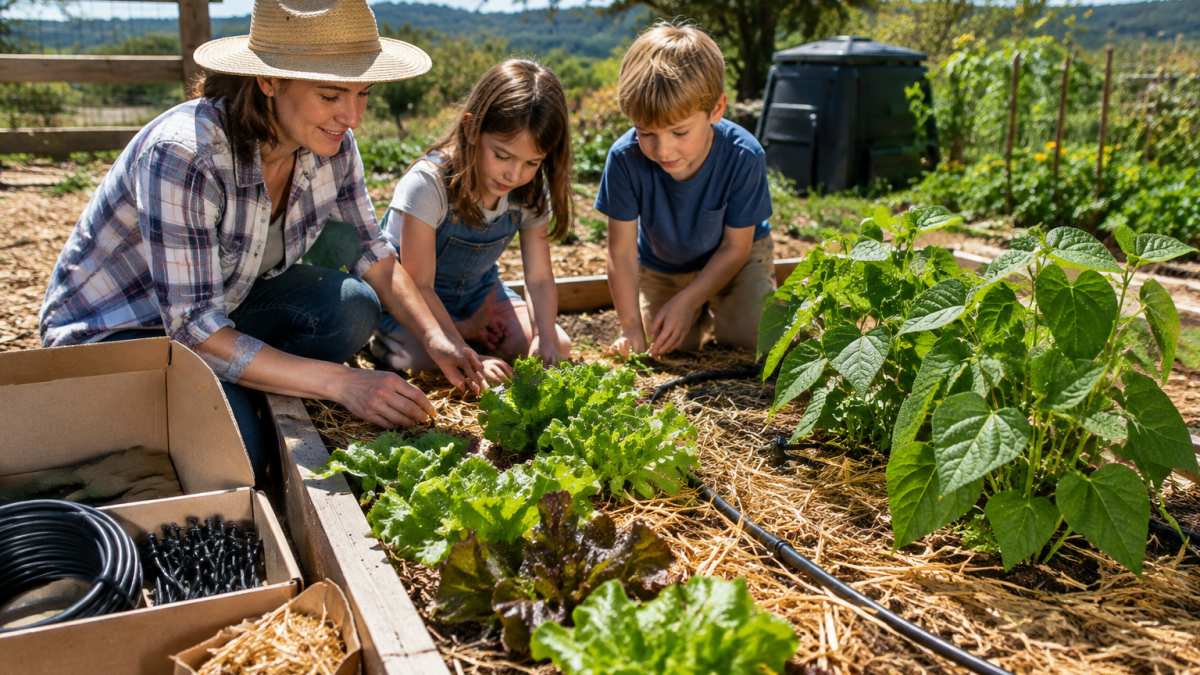
- Improve the soil. Add compost to hold moisture without waterlogging.
- Mulch heavily. A 2 to 4 inch layer of straw or shredded leaves slows evaporation and keeps soil temperatures steadier.
- Use drip irrigation or soaker hoses. These deliver water to the root zone and reduce loss from evaporation and runoff.
- Group plants by water need. Put drought-tolerant crops in the driest bed and thirstier crops closer to a water source.
- Water early in the morning. Less water evaporates before reaching the roots.
Watch out: overhead sprinkling in the afternoon wastes water and can encourage fungal problems on leaves.
Keep a simple log of planting dates, watering frequency, and harvest weights. Over one season, it shows you which crops produced the most food for the water you applied.
Start Your Drought-Ready Family Garden With the Right Seed Kit
Choosing a seed kit is the fastest way to start. The All-In-One Seed Kit at $299.00 includes many beans, squash, greens, herbs, and more, along with the Seed Growing Guide that explains planting, growing, harvesting, and seed saving. For a smaller plot, the Backyard Seed Kit at $109.00 includes dry beans, squash, greens, and herbs.
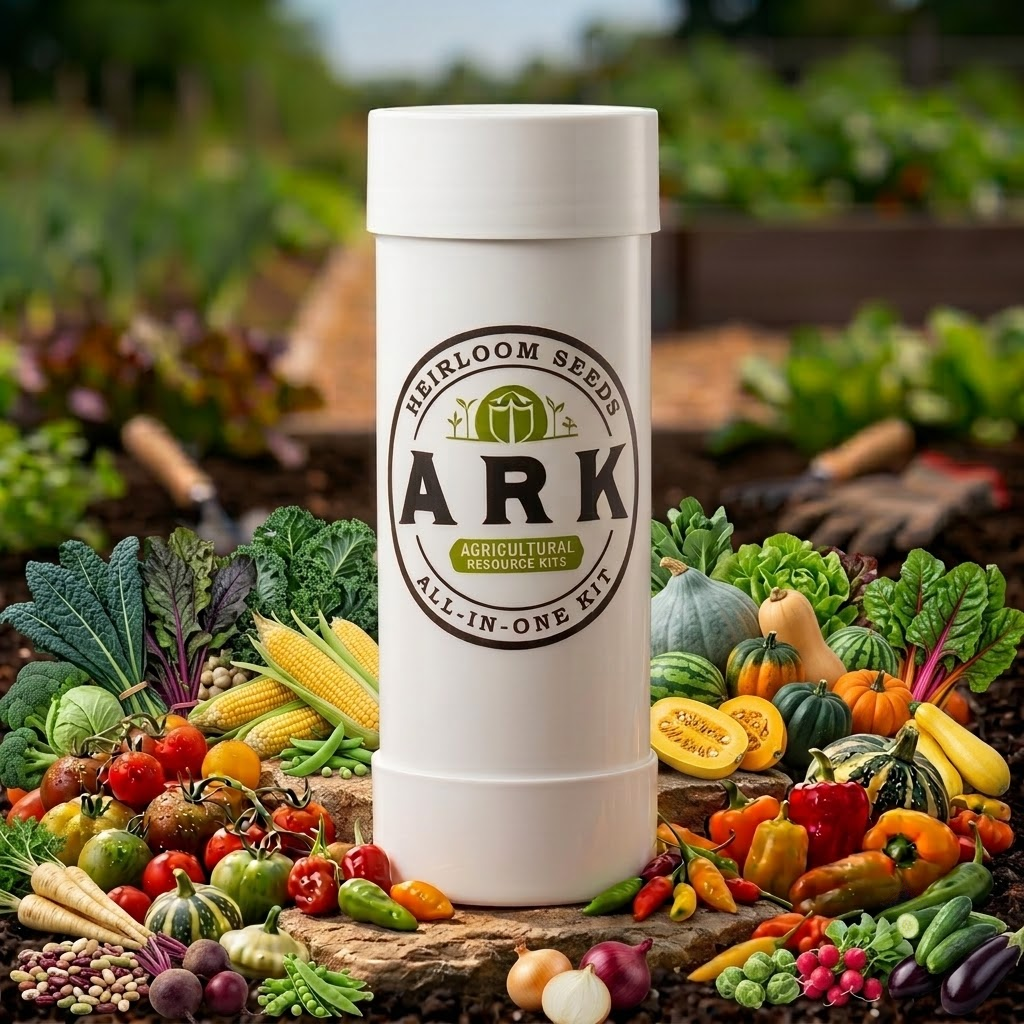
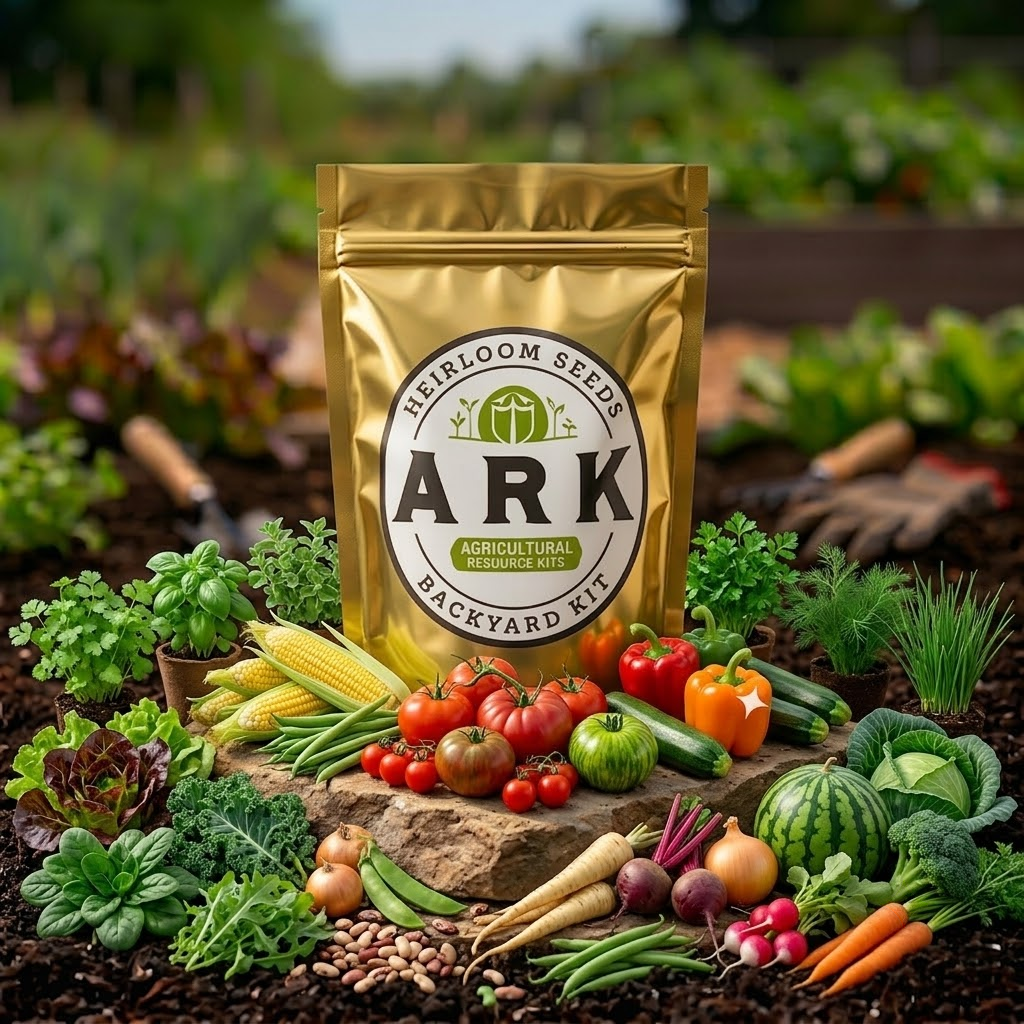
Both kits include heirloom seeds that can be saved for future seasons. Start with the crops in this guide, plant them in a mulched bed with a drip line, and you will have a drought-ready family garden from the first season. Browse the All-In-One Seed Kit to see what it includes.
Frequently Asked Questions
What are the most drought-resistant vegetables?
Among the most drought-tolerant vegetables are dry beans, cowpeas, lima beans, okra, amaranth, Swiss chard, kale, and mustard greens. These crops develop deep roots or tolerate heat well, so they keep producing with less irrigation than tomatoes or lettuce. Most drought-tolerant crops still need consistent water during germination and flowering, so plan for deeper watering in those stages even when the rest of the season is dry.
Which vegetables need the least water?
Dry beans, cowpeas and okra generally need the least water among common family garden crops. Greens such as Swiss chard and mustard greens are also relatively low-demand once established. Leafy lettuces and cucumbers need far more consistent moisture. Watering deeply once or twice a week, rather than lightly every day, encourages roots to grow downward where moisture lasts longer in dry weather.
What vegetables can grow in 100-degree weather?
Okra, cowpeas, amaranth, peppers and Swiss chard handle sustained heat well, and many gardeners in hot regions also grow eggplant and certain squash varieties. Heat stress often shows up as blossom drop or reduced fruit set rather than plant death. Shade cloth during the hottest afternoon hours and mulching the root zone can help these crops hold on through extended heat.
Can vegetables grow during a drought?
Yes, if you choose drought-tolerant crops and manage water carefully. Mulching with straw or shredded leaves slows evaporation, and watering at the base of plants in the early morning reduces loss. Starting with a seed kit that includes beans, greens and root crops gives your family a mix of heat-tolerant plants that can carry production through a dry spell.


