


7 Vegetables to Grow for a High Protein Garden
07:00 AMLast Updated: November 17, 2026
Quick Summary
The top 7 vegetables to grow for a high protein garden are soybeans and edamame, dry and green beans, peas and snap peas, lentils and chickpeas, spinach and leafy greens, broccoli and Brussels sprouts, and container-friendly quinoa, peanuts, and asparagus. Legumes carry the load, with soybeans highest at about 18-22g protein per cooked cup, while greens and cruciferous crops play a supporting role.
- Soybeans and edamame are the highest protein crop you can grow, at about 18-22g per cooked cup.
- Plant soybeans only after the last frost, when the soil has warmed, or the seeds rot.
- Peas tolerate cold soil and produce pods in roughly two months, making them the fastest fresh protein.
- Lentils and chickpeas prefer dry conditions, and wet, humid summers encourage mold and cut yields.
- Broccoli produces side shoots after the main head is cut, giving a second harvest most guides skip.
Table of Contents
- Protein Per Serving: How These 7 Crops Compare
- 1. Soybeans and Edamame: The Highest Protein Crop You Can Grow
- 2. Dry Beans and Green Beans: Reliable Protein From Small Space
- 3. Peas and Snap Peas: Fast-Growing High-Yield Vegetables for Cool Weather
- 4. Lentils and Chickpeas: High-Yield Garden Vegetables for Drying and Storage
- 5. Spinach and Leafy Greens: Protein Per Cup That Adds Up
- 6. Broccoli and Brussels Sprouts: Cruciferous Crops With Real Protein
- 7. Easy Vegetables to Grow in Pots: Quinoa, Peanuts, and Asparagus
- Complete Proteins and Dietary Context
- Harvesting, Storage, and Preservation
- Building a High Protein Garden That Actually Feeds You
- Frequently Asked Questions
Protein Per Serving: How These 7 Crops Compare
A high protein garden starts with knowing which crops actually earn their space. We built this list around one question: which vegetables give you the most usable protein per cup, per bed, and per season of effort?
Protein content in vegetables is usually measured per cup, cooked, because that is how most people eat them. Raw weights mislead, and dry weights mislead badly. A cup of cooked soybeans and a cup of raw spinach are not the same measurement in any useful sense, so every figure below refers to the cooked, ready-to-eat form unless noted.
Protein Content Per Cup, Cooked
Here is the comparison most gardening guides skip. These are approximate protein figures per cup of cooked vegetable:
| Crop | Protein Per Cup, Cooked | Protein Per 100g | Notes |
|---|---|---|---|
| Soybeans (edamame) | About 18-22g | About 11-17g | Highest of any common garden vegetable |
| Lentils | About 18g | About 9g | Dries and stores well |
| Chickpeas | About 14-15g | About 9g | Needs a long season |
| Dry beans | About 15g | About 8-9g | Reliable in most climates |
| Green peas | About 8-9g | About 5g | Fast and cold-tolerant |
| Spinach | About 5-6g | About 3g | Shrinks heavily when cooked |
| Broccoli | About 3-4g | About 2-3g | Modest but steady |
| Brussels sprouts | About 3-4g | About 3g | Frost improves flavor |
Protein Per 100g
The pattern is clear: legumes carry the load. Leafy greens and cruciferous vegetables add protein, but they add it in smaller amounts per serving. That does not make them worthless in a high protein garden. It means they play a supporting role, and the legumes do the heavy lifting.
Growing Difficulty at a Glance
Difficulty matters as much as protein. A crop that fails in your climate gives you nothing, no matter what the label says.
| Crop | Difficulty | Time to Harvest | Best For |
|---|---|---|---|
| Soybeans/edamame | Moderate | 75-100 days | Warm-season beds |
| Dry beans | Easy | 85-100 days | Storage and drying |
| Green beans | Easy | 50-60 days | Quick fresh eating |
| Peas and snap peas | Easy | 55-70 days | Cool weather, early season |
| Lentils | Moderate | 80-110 days | Dry climates, storage |
| Chickpeas | Moderate to hard | 90-120 days | Long, dry seasons |
| Spinach | Easy | 40-50 days | Cool weather, containers |
| Broccoli | Moderate | 60-80 days | Fall and spring |
| Brussels sprouts | Moderate to hard | 90-110 days | Fall frost |
| Quinoa | Moderate | 90-120 days | Dry, warm climates |
| Peanuts | Moderate | 120-140 days | Long hot seasons |
| Asparagus | Hard (slow) | 2-3 years | Permanent beds |
If you are new to this, our organic heirloom seeds for beginners guide covers how to pick varieties that match your climate before you commit bed space.
1. Soybeans and Edamame: The Highest Protein Crop You Can Grow
Edamame is the young soybean, harvested green and eaten fresh or blanched. It is among the highest-protein vegetables you can grow at home.
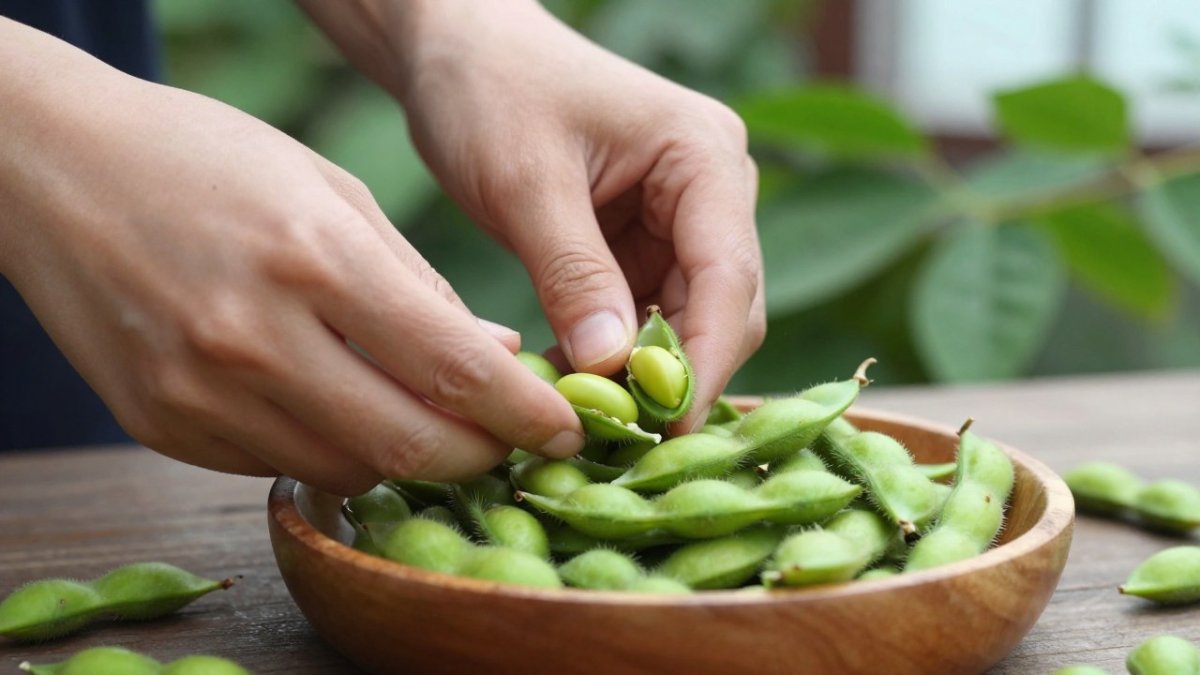
Soybeans are a warm-season crop. Plant them after the last frost, when soil has warmed, and give them full sun.
Harvest edamame when the pods are plump but still bright green, usually somewhere around 75 to 100 days depending on variety.
A common mistake is planting soybeans too early in cold soil. The seeds rot instead of sprouting, and gardeners blame the seed. Wait for warmth.
2. Dry Beans and Green Beans: Reliable Protein From Small Space
Beans are the workhorse of a high protein garden.
Green beans are for fresh eating, picked young and tender. Dry beans, the kind you shell and store, take longer but pay you back in pantry stock.
Pole varieties climb and produce more per square foot than bush types. Bush beans need no support and fit neatly into small beds.
Watch out: picking green beans too late makes the pods stringy and signals the plant to stop producing.
For gardeners working with limited room, our guide on how to grow food in small spaces walks through vertical and container setups that suit beans well.
3. Peas and Snap Peas: Fast-Growing High-Yield Vegetables for Cool Weather
Peas are the fastest route to fresh protein in most gardens. They tolerate cold soil, germinate early, and produce pods in roughly two months.
Snap peas give you edible pods, which means less waste and more food per plant. Shelling peas take more work at harvest but store and freeze well.
Plant peas as soon as the soil can be worked in spring, since they dislike heat. Fall plantings work in milder areas.
A trellis is worth the effort. Peas climb readily, and keeping pods off the ground reduces rot and makes picking easier.
4. Lentils and Chickpeas: High-Yield Garden Vegetables for Drying and Storage
Lentils and chickpeas are the storage crops of the legume world.
These crops prefer dry conditions.
Chickpeas need a longer season than lentils and are less forgiving of cold. Lentils are the easier of the two and a better first attempt. Both are high-yield garden vegetables when the weather cooperates.
Harvest when the plants turn brown and the pods rattle. Pull the whole plant, let it dry fully in a sheltered spot, then thresh and winnow the seed.
5. Spinach and Leafy Greens: Protein Per Cup That Adds Up
Spinach delivers roughly 5 to 6 grams of protein per cooked cup. That sounds modest next to soybeans, and it is. But spinach grows fast, takes up little space, and can be harvested repeatedly from a single planting, which changes the math over a season.
Leafy greens also bring fiber, vitamins, and minerals that legumes alone do not cover. A high protein garden that ignores greens is a garden that misses part of the nutrition picture.
Spinach prefers cool weather and bolts in heat. Plant it in early spring and again in fall. Collard greens and kale handle more heat and extend the harvest into summer.
Cut outer leaves rather than pulling whole plants. The plant keeps producing, and you get multiple harvests from one square foot of garden space.
6. Broccoli and Brussels Sprouts: Cruciferous Crops With Real Protein
Broccoli and Brussels sprouts are not protein powerhouses, but they are not empty either. Each delivers around 3 to 4 grams per cooked cup, plus a solid dose of fiber and vitamins.
Broccoli is the easier of the two. It grows in spring and fall, matures in roughly 60 to 80 days, and produces side shoots after the main head is cut.
Brussels sprouts need a long fall season and improve in flavor after frost.
Both are heavy feeders. Work compost into the bed before planting and keep the soil consistently moist. Stressed plants produce loose, small heads.
7. Easy Vegetables to Grow in Pots: Quinoa, Peanuts, and Asparagus
Not everyone has a yard. Quinoa, peanuts, and asparagus all work in containers or small plots, with different levels of effort.
Quinoa is a grain-like seed crop that grows in dry, warm conditions and produces a protein-rich harvest. It needs a long season and does not tolerate wet feet, so containers with good drainage suit it well.
Apartment gardeners who want the full picture should read our guide to growing vegetables in apartments. It covers light, container size, and which crops actually work indoors or on a balcony.
Complete Proteins and Dietary Context
Plant proteins are often described as incomplete, which is only partly true and mostly unhelpful. Most plant foods contain all the essential amino acids, just in varying amounts. The practical fix is simple: eat a variety across the day.
Legumes and grains complement each other. Beans with rice, lentils with bread, peas with corn. You do not need to combine them at every meal. A varied diet across a day covers the gaps.
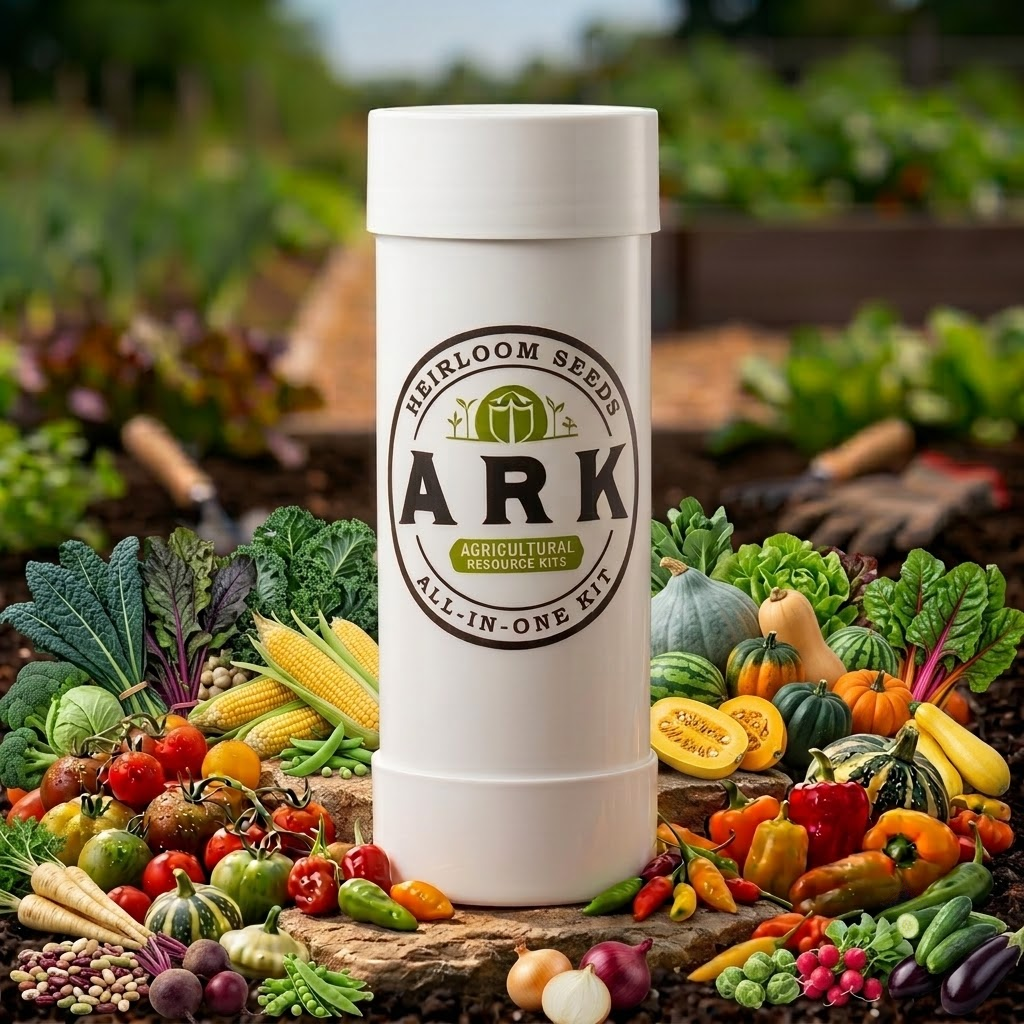
For anyone building a survival food plan, this matters. Our all-in-one seed kit includes dry beans, peas, spinach, broccoli, and Brussels sprouts together.
Harvesting, Storage, and Preservation
Fresh eating is only part of the picture. What you do at harvest determines how far your protein supply stretches.
- Blanch and freeze: green beans, peas, edamame, and broccoli all freeze well after a quick blanch.
- Dry and store: beans, lentils, chickpeas, and soybeans keep for months in sealed containers.
- Save seed: open-pollinated heirloom varieties let you replant next year instead of buying again.
- Cure and root-cellar: not a protein crop, but a useful companion practice for storage crops.
The seed growing guide covers planting, harvesting, and seed saving for every variety in our kits, including a zone map and seasonal chart. If seed saving is the goal, that guide is the piece most beginners skip and later regret.
Drying requires real dryness. A pod that feels leathery rather than crisp will mold in storage. When in doubt, dry longer.
Building a High Protein Garden That Actually Feeds You
The hard part is not choosing crops. It is committing the bed space and the season to crops that store, dry, and replant.
Start with legumes as the backbone. Add greens and cruciferous crops for nutrition and variety. Save seed from open-pollinated varieties so next year's garden costs you nothing but effort.
ARK Seed Kits builds kits around exactly this approach. Our All-In-One kit includes dry beans, peas, spinach, broccoli, and Brussels sprouts, and comes with the Seed Guide.
Get started with ARK Seed Kits and turn your garden into a protein supply you control.
Frequently Asked Questions
Do beans and peas have more protein than other vegetables?
Yes, by a wide margin. Cooked soybeans and edamame lead at roughly 18 grams of protein per cup, followed by lentils at about 18 grams and cooked dry beans at 15 to 16 grams. Green peas land near 8 grams per cup. Compare that to broccoli at about 2.5 grams or spinach at under 1 gram per cup. Legumes are the only common garden vegetables where a normal serving delivers protein in amounts that meaningfully count toward your daily total.
How much protein is in homegrown vegetables compared to store-bought?
Protein content is set by the variety and the plant's growing conditions, not by whether you grew it yourself. A homegrown soybean has about the same protein as a store-bought one. What changes is freshness: homegrown vegetables lose less of their vitamin content between harvest and plate. Pick and cook the same day where you can, and harvest legumes at full maturity for drying if protein density matters more than fresh eating.
Which high-protein vegetables grow well in containers?
Peas, bush beans, spinach, and dwarf kale all work in pots at least 10 to 12 inches deep with drainage holes. Lentils and chickpeas are trickier but possible in wide, shallow containers. Quinoa grows in a 12-inch pot but yields little. Give any container crop six or more hours of direct sun and water more often than you would in the ground, since pot soil dries faster. A trellis for peas and pole beans turns vertical space into extra yield.
What is the best food to grow for survival if protein matters most?
Dry beans and lentils are the practical answer. They store for years once fully dried, need no refrigeration, and deliver 15 to 18 grams of protein per cooked cup. Soybeans store well too but need more cooking time. Pair a legume crop with a fast-growing green like spinach for vitamins, and choose open-pollinated heirloom varieties so you can save seed and replant without buying again.
How long does it take to harvest protein-rich crops from a new garden?
Timelines vary widely. Snap peas and spinach are ready in 50 to 60 days from planting. Bush beans take about 55 days for green beans, or 90 to 100 days for dry beans. Soybeans run 75 to 100 days depending on variety. Lentils and chickpeas need 90 to 110 days and a dry finish. Broccoli is ready in 60 to 80 days for the first head. Plan your beds around these windows so something is always maturing.


