


How to Certify Organic Heirloom Seeds in Seven Steps
07:00 AMQuick Summary
Organic heirloom seeds are open-pollinated varieties grown for decades, produced under USDA National Organic Program rules and verified through certification by an accredited certifying agent. Heirloom describes the variety, while organic describes how the seed is grown and handled, so both labels must be checked.
- Heirloom describes the variety; organic describes the growing system, and only organic is a legal claim.
- Sellers who label seed as organic generally need certification through a USDA-accredited certifying agent.
- Operations selling no more than $5,000 in organic products per year may qualify for an exemption.
- Keep a log of each seed lot's variety, supplier, purchase date, lot number and certificate number.
- Check supplier certificates in the USDA Organic Integrity Database before relying on an organic label.
Table of Contents
- What Organic Certification Means for Heirloom Seeds
- USDA Organic Seed Certification Requirements for Producers
- Step-by-Step: Applying to a USDA-Accredited Certifying Agent
- Organic Seed and Seedling Requirements
- Organic Seed Recordkeeping and Seed-Lot Traceability
- How to Verify Organic Certification and Use Compliant Labels
- Plan Your Next Season's Certified Seed Lots with ARK Seed Kits
- Frequently Asked Questions
What Organic Certification Means for Heirloom Seeds
Last Updated: November 5, 2026
Organic heirloom seeds carry two separate labels, and only one of them is a legal claim. Heirloom describes an open-pollinated variety that has been grown for decades, often generations. Organic describes how the seed was produced, under rules set by the USDA. The difference decides whether you can call your seed lots certified organic at all. Organic seed certification is the process that proves a seed was grown and handled to federal organic standards.
Organic seed certification is the verified process of showing that a seed crop was produced under the USDA National Organic Program (NOP) rules. A certified operation has its practices reviewed by an accredited certifying agent and inspected on a set schedule.
Why heirloom status does not make a seed organic
Many gardeners assume an heirloom seed must be organic because it is old, traditional or open-pollinated. That is not how the law works. A seed can be a century-old heirloom and still be grown with synthetic fertilizers, conventional pesticides or seed treatments. Heirloom tells you about the variety. Organic tells you about the growing system. To see the cost and sourcing realities behind that difference, read why heirloom seeds cost more.
This is the most common mistake we see. A seed company may describe its stock as "heirloom and natural." Those words do not carry organic certification. Only an organic label backed by a certificate does.
USDA National Organic Program standards that apply to seed
The NOP sets the rules for organic seed production in the United States. The standards cover soil management, prohibited substances, crop rotation, and how seed is sourced. Under these rules, a certified grower generally must use organic seed when it is commercially available, and must document any search for it. The standards also limit seed treatments and set record requirements that apply to every seed lot.
According to the USDA National Organic Program standards, certified operations must keep records that trace each input back to its source.
USDA Organic Seed Certification Requirements for Producers
Not every seed grower needs certification. The rules depend on what you sell, how much, and whether you claim organic status on the label. Knowing where you fit saves months of paperwork.
Who qualifies and when a farm or business must certify
A farm or business must be certified if it sells, labels or represents its seed as organic. That includes growers, handlers and processors who package seed under an organic claim. Retailers that only resell pre-labeled, certified seed usually do not need their own certification, but they must still handle the product correctly.
Certification is the gate to the organic label. Without it, you cannot use the USDA organic seal or call your seed certified organic.
Small-scale operations and exemption eligibility
Small operations may qualify for an exemption from certification. Under the NOP, a farm that sells no more than $5,000 in total organic agricultural products per year can use the word "organic" without full certification, though it must still follow the organic production rules. Operations under that threshold do not get the USDA seal, and they cannot label products as "certified organic."
Check the current exemption threshold with the USDA Agricultural Marketing Service organic certification page before you decide. Rules change, and the official source is the only one to trust.
Step-by-Step: Applying to a USDA-Accredited Certifying Agent
Certification runs through a USDA-accredited certifying agent. These agencies review your application, inspect your operation and issue the certificate. You choose the agent, and you can compare fees and turnaround times before you commit.
Organic system plan and application documents
Your application centers on an organic system plan. This written document describes how you will grow, harvest, handle and store your seed. It names your inputs, your seed sources, your cleaning and storage methods, and your recordkeeping system.
Plan to include these items:
- A map of your fields, storage areas and buildings
- A list of all seed varieties and their sources
- Documentation of any seed treatments or inputs you plan to use
- Your recordkeeping and seed-lot tracking method
- Your contamination prevention steps
Inspection preparation, timelines and typical costs
Once your application is complete, the agent schedules an on-site inspection. The inspector checks your records against your plan, walks your fields and storage areas, and may take samples. Expect the full process to take several months from application to certificate, so start well before your planting or sale season.
Costs vary by agent, operation size and inspection scope. Ask each certifying agent for a written fee schedule that lists application, inspection, and annual renewal charges. Compare at least two agents before you sign.
Organic Seed and Seedling Requirements
These rules control what seed you can plant and how you can treat it. They are the part of certification that most growers underestimate.
Seed sourcing, documented searches and untreated seed
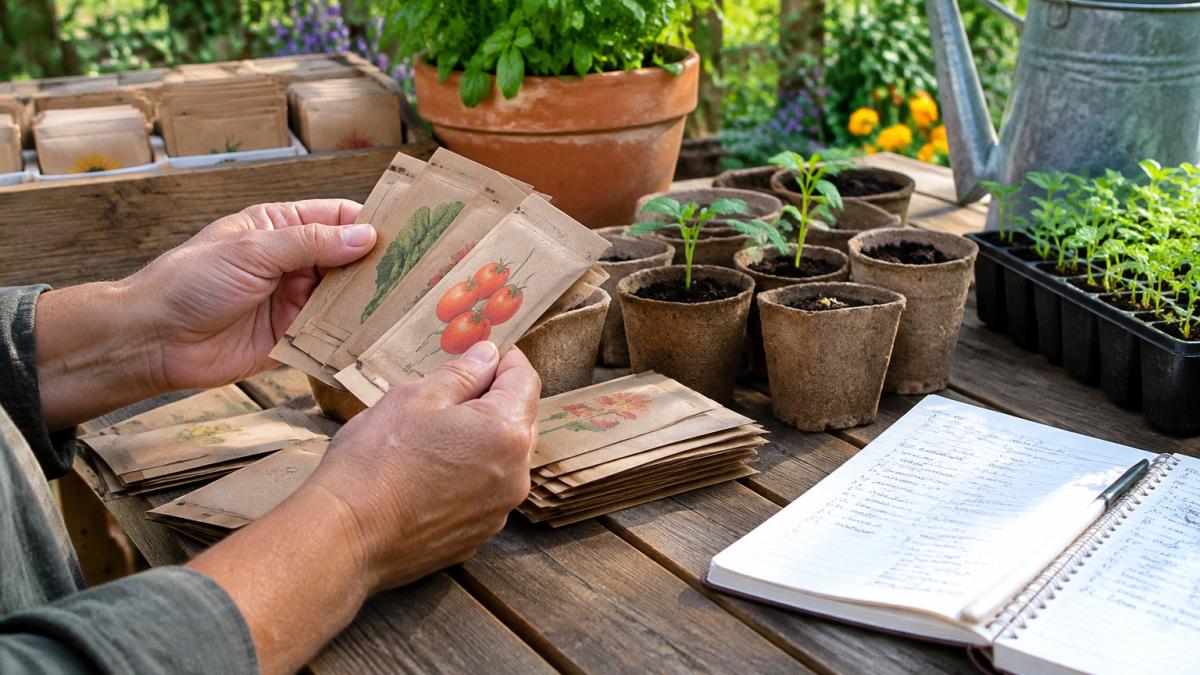
When you plant certified organic, the seed itself should come from an organic source whenever one is commercially available. If you cannot find organic seed of the variety you need, you must document a search. Keep records of who you contacted, when, and what they told you.
Many growers also run into seed treatments. Under NOP rules, many chemical seed treatments are prohibited. Buy untreated seed when you can, and read seed labels closely.
What to do when an organic heirloom variety is unavailable
Sometimes the organic version of a heirloom variety does not exist. In that case, a documented search can allow you to use conventional seed, but only after you confirm it is untreated and unavailable as organic. Your certifying agent must approve the exception before you use it.
A practical path looks like this:
- Search seed catalogs and suppliers for the organic variety
- Record each search with dates and results
- Ask your certifying agent whether a substitute variety is acceptable
- Keep the approval on file before planting
Organic Seed Recordkeeping and Seed-Lot Traceability
Records are the foundation of certification. An inspector will ask you to show where every seed lot came from and where it went.
Keep a log for each seed lot. If you are keeping your own seed stock, our complete guide to saving your own seeds covers the broader benefits and practices. Record the variety, the supplier, the purchase date, the lot or batch number, and the certificate number if the supplier is certified. Track seed storage, cleaning, and any sale or transfer. If a lot is lost to contamination, note that too.
Good traceability also protects you when you sell. If a buyer asks where your seed came from, you can answer from the log instead of from memory.
The article lists the details each seed-lot log should capture, so a reader can check them at a glance.
| Log field | Example from the article | Why it matters |
|---|---|---|
| Variety | Heirloom variety name | Ties the lot to a specific seed |
| Supplier | Seed source | Shows where each input came from |
| Purchase date | Date bought | Establishes timing for traceability |
| Lot or batch number | Lot identifier | Tracks the lot through the season |
| Certificate number | Supplier's certificate, if certified | Confirms the supplier's organic status |
| Storage, cleaning, sale | Handling events | Documents the lot's full path |
| Contamination loss | Lost lot, if any | Explains gaps in the record |
How to Verify Organic Certification and Use Compliant Labels
Before you buy or sell organic seed, check that the supplier holds a current certificate. The USDA Organic Integrity Database lists certified operations and their certificate status. Search by operation name or certificate number.
Use the USDA organic seal only if your operation is certified. Do not use the seal or the word "certified organic" on a product unless the claim is accurate. Label claims must match your certificate scope, and your certifying agent can review draft labels before you print them.
Watch out: Many sellers describe seed as "organic" or "heirloom" without any certificate behind the claim. Ask for the certificate number before you rely on the label.
Plan Your Next Season's Certified Seed Lots with ARK Seed Kits
Planning ahead makes certification easier. Start by mapping your varieties, your seed sources and your records before your next season begins. Pick seed lots you can document from the start, so your log is complete when the inspector arrives.
Our Backyard Seed Kit at shop the Backyard Seed Kit ($99.00) contains over 20,000 seeds across dozens of vegetable, herb and bean varieties, and each kit is labeled and sealed separately so lots stay easy to track. If you want the full planting and seed-saving guidance that goes with it, the Seed Growing Guide ($15.00) covers planting, growing and seed-saving for every variety in our kits.

Seed-saving and recordkeeping take practice, so start small and build your system one season at a time.
Frequently Asked Questions
What is the best company to buy heirloom seeds from?
The best source depends on whether you need certified organic seed or simply open-pollinated heirloom varieties. Buyers who need documented organic status should check for the USDA organic label or the supplier's certification documentation, and ask for the certifying agent's name. ARK Seed Kits sells heirloom seed kits, including the Backyard Seed Kit at $99.00 and the All-In-One Seed Kit at $249.00, each packaged for long-term storage. Compare the variety list, seed counts and included growing guidance before you buy.
Can heirloom seeds be certified organic?
Yes. Heirloom status describes a variety that has been open-pollinated and passed down over time, while organic status describes how the seed was produced. A heirloom variety can be certified organic if the crop was grown and handled under a USDA-accredited certifying agent's approved organic system plan. Certification applies to the operation, so the grower must meet National Organic Program standards for production, handling, inputs and recordkeeping.
What records are needed for organic seed certification?
Certifiers typically expect an organic system plan, seed sourcing records, documentation of any documented searches for organic seed that was unavailable, seed-lot inventory, planting and harvest logs, and records of any seed treatments. Traceability from each seed lot to its sale or use is central to the review. Keep these records for at least the period your certifier requires and make them available at the annual inspection.
How do you verify that seeds are USDA organic?
Check the supplier's current organic certificate and confirm that the certifying agent is USDA-accredited. Ask for the seed lot or product identifier and verify the operation's status through the certifier. Look for the USDA organic seal on finished products, and remember that the seal appears only where the product meets the organic labeling rules. Verifying the certificate protects both sellers and buyers who rely on organic claims.


