


Where to Buy Certified Organic Vegetable Seeds
09:33 PMLast Updated: November 24, 2026
Quick Summary
Buy certified organic vegetable seeds directly from a seed company that names its USDA-accredited certifying agent and backs the claim with documentation you can verify in the USDA Organic Integrity Database. Ask for the certifier name, germination data, lot dates, and a written replacement policy before you order.
- Search the seller's named certifier in the USDA Organic Integrity Database to confirm the operation is listed.
- The USDA organic seal does not guarantee germination, so ask for published germination rates and test dates.
- Non-GMO and natural claims say nothing about how the seed was produced and are not certifications.
- Open-pollinated heirloom varieties can be saved and replanted, making one purchase renewable.
- The Patio Seed Kit at $29.99 packs over 2,000 seeds for containers and balconies.
Table of Contents
- Where to buy certified organic vegetable seeds?
- How to verify organic certification before you buy
- What certified organic seed companies should prove
- The best organic vegetable seeds for backyard growing
- Why heirloom organic vegetable seeds are worth the price
- Where to buy certified organic vegetable seeds online
- Choosing the right ARK Seed Kit for your garden
- Frequently Asked Questions
Where to buy certified organic vegetable seeds?
The most reliable place to buy certified organic vegetable seeds is directly from a seed company that states its certification and backs it with documentation.
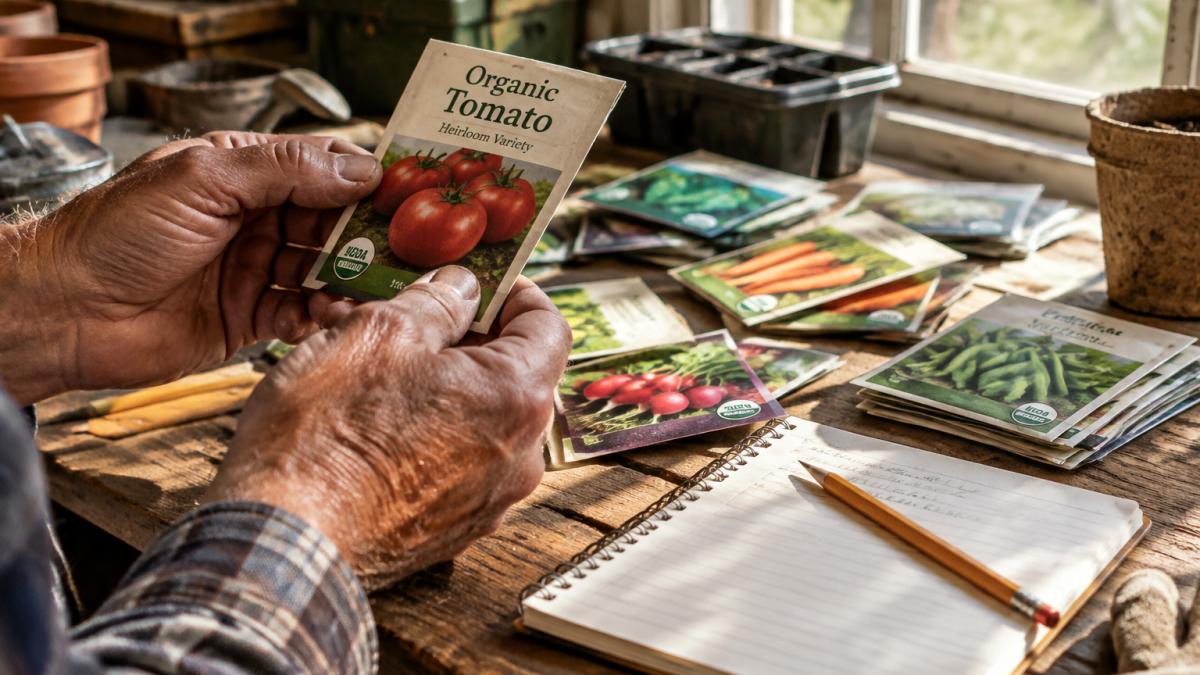
Certified organic vegetable seeds are seeds grown and handled under a system inspected and approved by a USDA-accredited certifying agent, which is what separates a real organic claim from a marketing line on a packet.
Below, we walk through how to verify a certification, what a trustworthy seed company should show you, and how to match a seed order to your space.
How to verify organic certification before you buy
Verification starts with one question: who certifies this seed? A legitimate organic seed seller can answer that immediately, and the answer should be a named certifying agent, not a vague reference to "organic practices."
The USDA Agricultural Marketing Service organic program publishes the rules that govern organic seed production and the labeling that follows from it. Under the USDA organic regulations, seed sold as certified organic must be grown and handled under an organic system plan and inspected by a USDA-accredited certifying agent.
Ask a seller four things before you order:
- The name of their USDA-accredited certifying agent
- Whether the seed is certified organic or simply "organically grown" without certification
- The certificate or operation name that appears in the USDA Organic Integrity Database, so you can look it up yourself
How to look up a certifier or seller
The USDA maintains a public Organic Integrity Database listing certified operations and their certifiers, searchable by company name, certifier, or state. If a seller names a certifier, search that name and confirm the operation appears under it.
A certifier should also tell you the scope of certification, whether it covers seed production, handling, or both. Seed grown organically but processed or packed by an uncertified handler may not carry the seal, so scope matters as much as the name.
Reading the USDA organic label and the Safe Seed Pledge
The USDA organic seal on a seed packet means the product meets national organic standards for production and handling. It does not mean the seed was tested for every contaminant, and it does not guarantee germination, which is a separate quality question.
The Safe Seed Pledge is different: a statement a company signs promising not to knowingly sell genetically engineered seeds. It is a useful signal, but self-reported, so treat it as one piece of evidence rather than proof.
Organic vs. "natural," "non-GMO," and "organically grown"
- Certified organic is a regulated claim backed by an accredited certifier, an inspection, and a paper trail. It describes how the seed was produced.
- "Organically grown" without certification is an uncertified claim. It may be true, but no third party has checked it.
- "Non-GMO" describes what the seed is not. It says nothing about how the seed was produced, and a non-GMO product can be grown with synthetic inputs.
Watch out: a seller who lists "non-GMO" as a substitute for organic certification is answering a different question. Non-GMO describes what the seed is not; organic describes how it was produced.
If you want the full picture of what certification actually requires from a grower, our guide on how to certify organic heirloom seeds in seven steps walks through the process from application to inspection.
What certified organic seed companies should prove
A seed company earns trust by showing its work, not by using the right adjectives. Four things should be visible before you spend money.
Germination testing. Reputable sellers test seed lots and publish or provide germination rates.
Sourcing disclosure. You should be able to learn where the seed was grown.
Watch out: a seller who lists "non-GMO" as a substitute for organic certification is answering a different question.
The best organic vegetable seeds for backyard growing
The best organic vegetable seeds for a backyard garden are open-pollinated heirloom varieties you can save and replant, chosen to match your climate and space.
Our own approach at ARK Seed Kits is built around that idea.
If you are still choosing varieties, our roundup of the best heirloom vegetables for home gardens covers what performs well in backyard beds.
Matching seed quantity to your garden space
Seed quantity is where beginners overspend and underplant. A packet of carrot seeds is not a promise of a harvest; extra seed is a buffer for thinning, poor germination, and succession planting.
- Containers and a small patio: a few dozen plants of a handful of varieties
- A raised-bed backyard: several hundred seeds across ten to fifteen crops
- A full garden plot: thousands of seeds with room for succession sowing
For a patio or balcony, our Patio Seed Kit at $29.99 packs over 2,000 seeds of vegetables and herbs, including Red Cherry Tomato, California Bell Pepper, Boston Pickling Cucumber, Berry Belle Radish, Salad Bowl Lettuce, Basil, and Cilantro.
Why heirloom organic vegetable seeds are worth the price
Heirloom organic vegetable seeds are a different product from commodity garden seed, which is why they cost more.
Seed saved from open-pollinated heirloom plants can grow true to type, so a single purchase can keep producing if you learn to save.
We go deeper on the cost question in our breakdown of why heirloom seeds cost more. The short version: you are buying a renewable supply, not a one-season input.
Where to buy certified organic vegetable seeds online
The strongest online seed purchase is one where you can see the certification, variety list, seed count, and storage method before checkout. Online buying removes the ability to inspect the packet in person, so the listing has to carry the weight.
When you compare sellers, score them on the same six criteria: certification transparency, germination information, variety and quantity per dollar, shipping and handling terms, the return or replacement policy, and how much growing information ships with the seed. A seller who is strong on variety but silent on germination is not a bargain at any price.
A neutral comparison framework
Most seed retailers publish a catalog, not a comparison. Use this framework to build your own side-by-side before you buy, and fill in each column from the seller's own pages:
| What to check | What good looks like | Where to find it |
|---|---|---|
| Certification | Named USDA-accredited certifier, verifiable in the Organic Integrity Database | About page, product page, or a direct answer from customer service |
| Germination data | Published germination rate and test date for the lot | Packet, product listing, or a lot number you can request |
| Variety and quantity | Seed count or weight stated per packet, not just "enough for a garden" | Product listing |
| Shipping | Flat rate or free-shipping threshold stated up front, with seasonal cutoffs | Shipping policy page |
| Returns and guarantees | Written replacement or germination guarantee with a claim window | Returns or FAQ page |
| Growing information | Days to maturity, planting depth, spacing, and seed-saving notes | Packet and listing |
A common pattern among independent seed companies is to publish germination rates by lot and state a shipping threshold, while larger catalog sellers tend to publish variety information but bury germination and shipping details. Neither pattern is universal, so check each seller.
Shipping, thresholds, and seasonal timing
Shipping is where online seed orders most often surprise buyers. Confirm two things before checkout: the free-shipping threshold, if any, and the seasonal cutoff for orders that need to arrive before your planting window. Seed is light and cheap to ship, so a flat rate can be a large share of a small order, combining varieties into one order usually beats several small ones.
Returns, guarantees, and customer service
Seed is a living product, and germination can fail for reasons that have nothing to do with the seller. A company confident in its testing will still stand behind a dead packet. Look for a written replacement or germination guarantee, a stated claim window, and a customer-service channel that answers questions about certification and lot dates, not just order status.
How our own kits compare on the same criteria
Here is how our own kits compare on the factors that matter most:
| Kit | Price | Seed Count | Best For | Seed Guide Included |
|---|---|---|---|---|
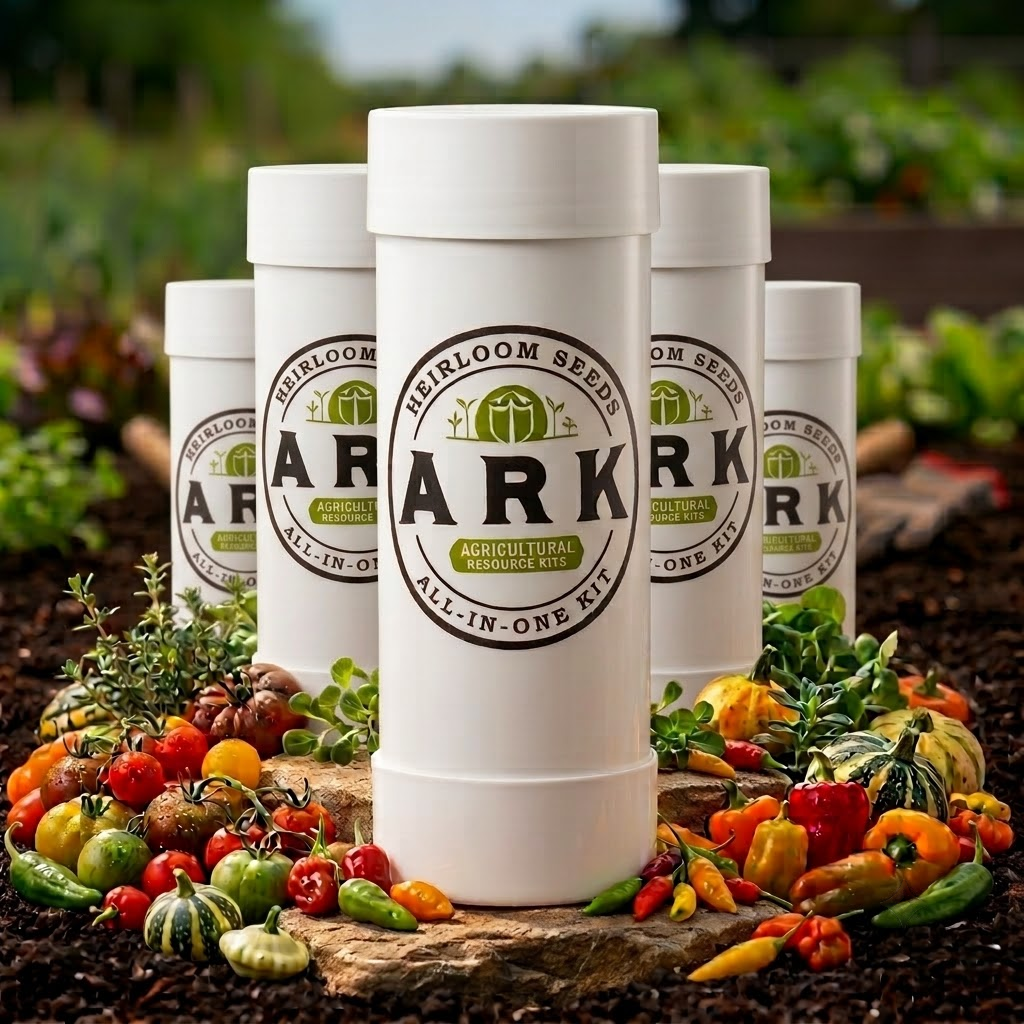
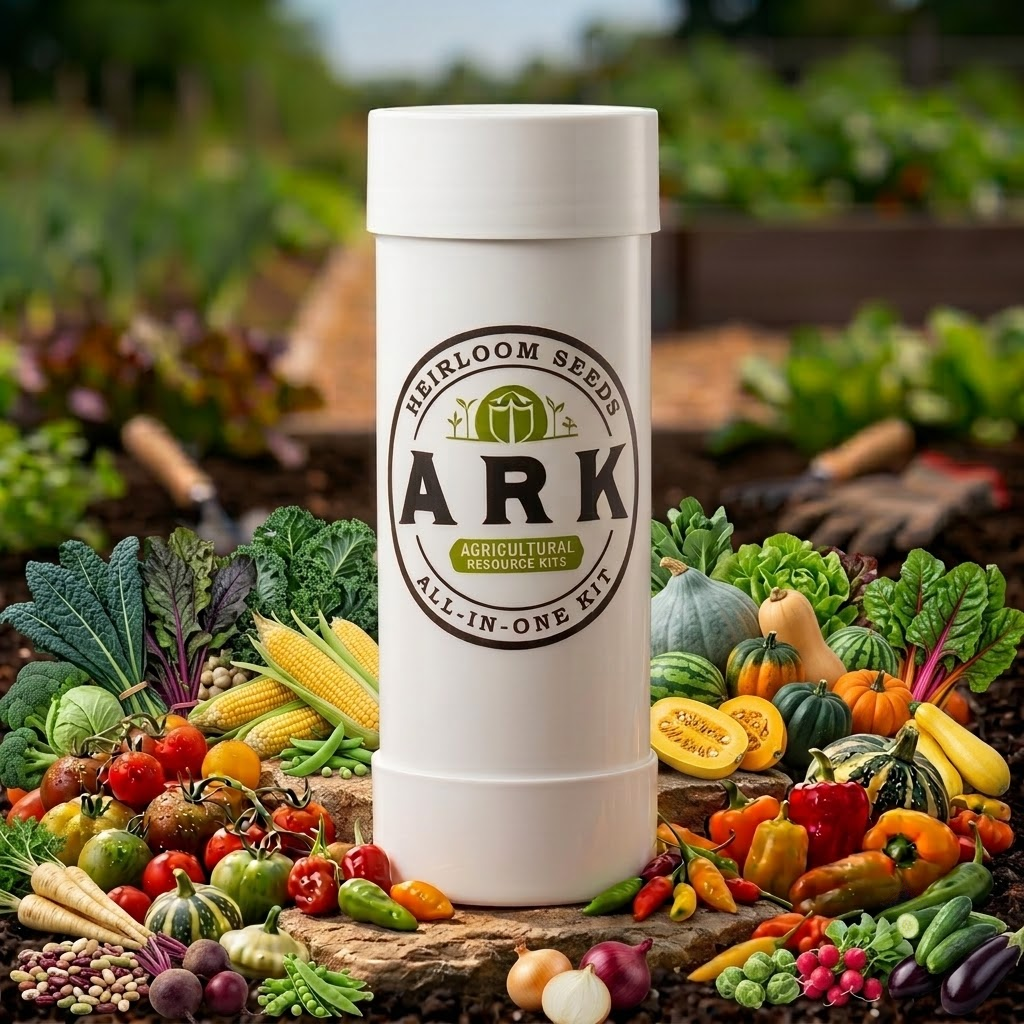
| All-In-One Seed Kit | $299.00 | 50,000 seeds | Full gardens and long-term storage | Yes, $15 value |
| Backyard Seed Kit | $109.00 | Over 20,000 seeds | Raised beds and first-year gardeners | No, add for $10 |
| Prepper Special | $1,196.00 | Five All-In-One kits | Household reserves and group preparedness | Yes, on every kit |
| Salsa Seed Kit | $29.99 | 500 seeds | Small-space and beginner growers | Clear instructions included |
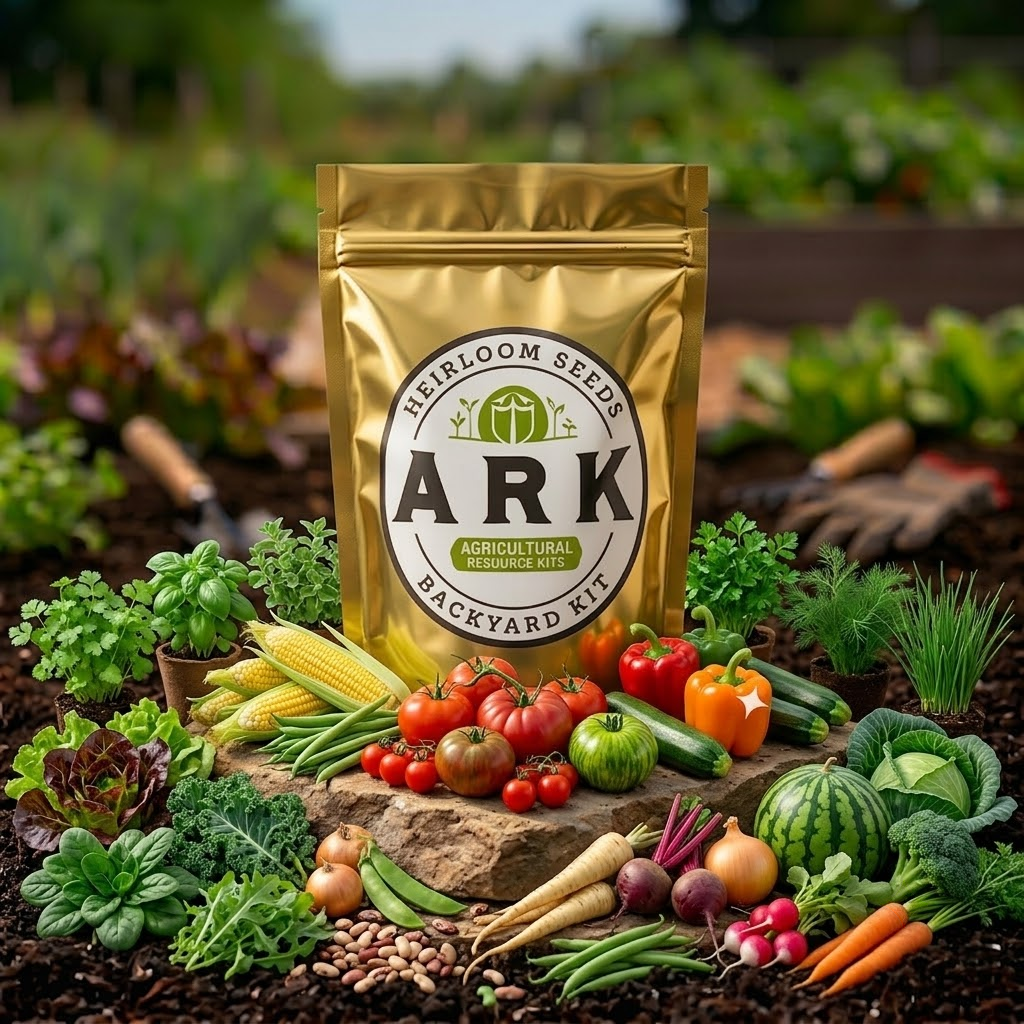
| Patio Seed Kit | $29.99 | Over 2,000 seeds | Containers, balconies, windowsills | Easy-to-follow instructions |
Price
If you are weighing us against another supplier, our head-to-head on True Leaf Market vs Survival Garden Seeds shows how two well-known sellers stack up on the same criteria.
Choosing the right ARK Seed Kit for your garden
The right kit is the one sized to your space and your reason for buying.
Start with the All-In-One Seed Kit at $299.00 if you have real ground to plant or want a deep reserve.
The Backyard Seed Kit at $109.00 suits a raised-bed gardener.
The Prepper Special at $1,196.00 gives you five All-In-One kits for the price of four.
Small-space growers should look at the Salsa Seed Kit or Patio Seed Kit, both $29.99, which keep the seed count realistic for containers. You can view the flagship All-In-One Seed Kit to see the full variety list before you decide.
Frequently Asked Questions
How can I tell whether vegetable seeds are certified organic?
Look for the USDA organic seal on the packet and a certifier name or code printed on the label. USDA rules require organic seed producers to be inspected and certified, so a legitimate seller can tell you who certifies them. Ask directly if the seal is missing. Also check whether the company signs the Safe Seed Pledge and states that seeds are non-GMO, since those claims are separate from organic certification. A seller that answers these questions in writing is a safer buy than one that only uses the word organic in marketing copy.
Are heirloom seeds always organic?
No. Heirloom describes how a variety was developed and maintained, not how it was grown. A tomato can be a 100-year-old family variety and still be grown with synthetic fertilizer or pesticides. Heirloom varieties breed true from saved seed, but organic status depends on how the seed was grown and whether it is certified. Check the label for the organic seal rather than assuming the word heirloom covers it.
What is the difference between organic and non-GMO seeds?
Non-GMO means the seed was not produced with genetic engineering. Organic certification covers that plus how the crop was grown: no prohibited synthetic pesticides or fertilizers, and specific soil and buffer requirements. USDA organic rules also require organic seed use when commercially available. So organic seeds are non-GMO, but non-GMO seeds are not automatically organic. If both matter to you, buy packets that carry the USDA organic seal and a clear non-GMO statement.
Can I save seeds from certified organic vegetables?
Yes, and open-pollinated heirloom varieties are the easiest place to start because they breed true from saved seed. Choose fully mature fruit, dry the seed properly, and store it cool and dark. Keep different varieties of the same crop separated so they do not cross-pollinate. Saving seed from organic plants keeps your garden off the annual seed-buying cycle and is one reason heirloom organic vegetable seeds cost more up front: one purchase can supply you for seasons.
Where is the best place to buy organic vegetable seeds online?
Buy from a seller that states its certification, lists seed counts and variety names per packet, and explains storage and germination testing. Compare total seed volume rather than packet price alone, since a $29.99 kit with 2,000 seeds and a $299.00 kit with 50,000 seeds serve very different gardens. The All-In-One Seed Kit is packaged in PVC tubing for storage of 15+ years, and each variety is labeled and sealed separately.


